
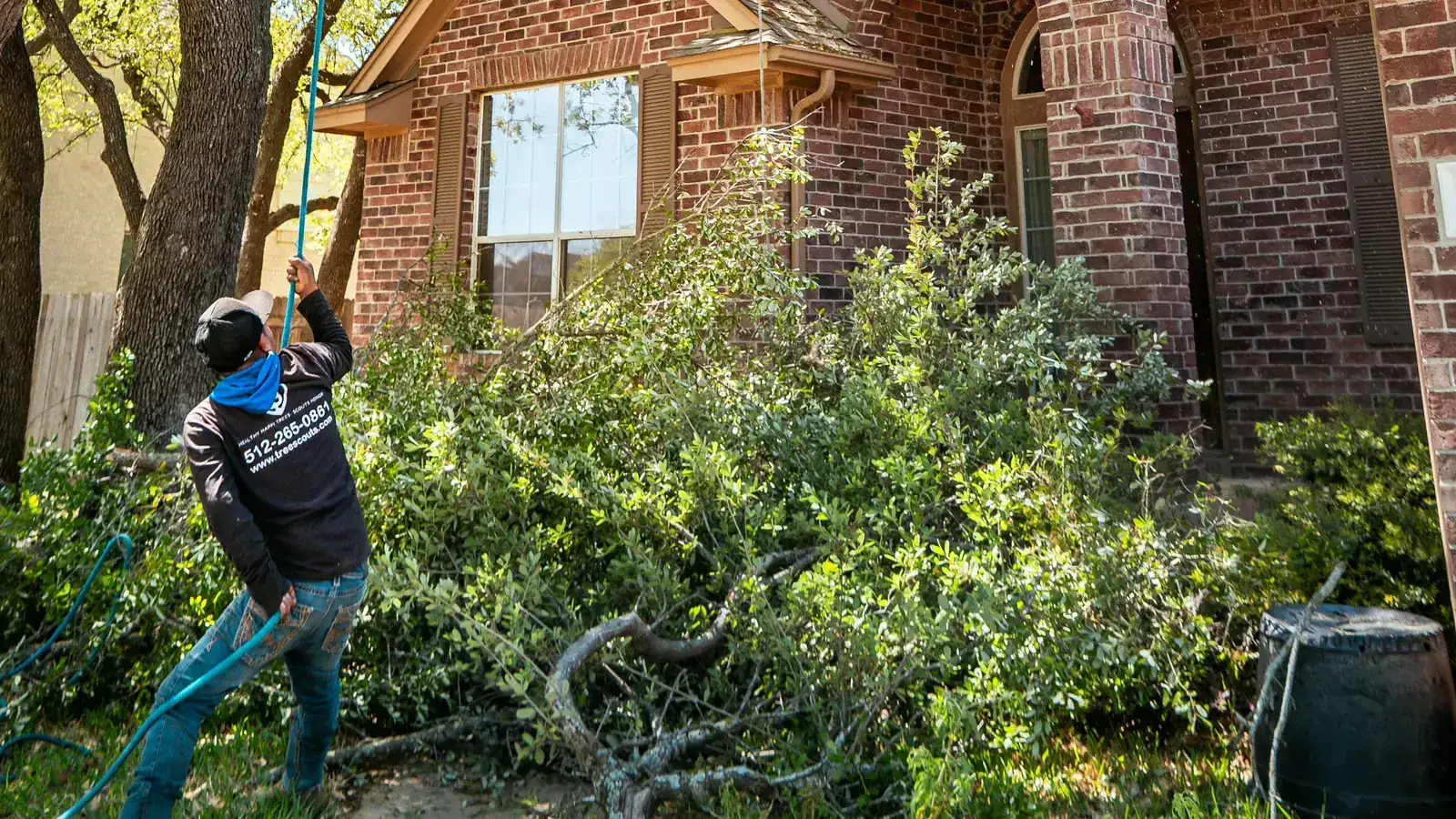
Tree Services
Tree Services in Aurora & the Western Suburbs
Mature trees are a large part of why the older streets around Aurora feel the way they do. Those same trees sit directly over roofs, driveways, fences and service drops, which is what separates tree work from the rest of a landscape job. The order of the cuts matters, and so does where the wood lands.
Lux Landscaping Construction handles trimming and pruning, removals, stump grinding, and storm and hazard work across the Fox Valley and the DuPage, Kendall, Will and Kane county suburbs. We plan access before anything comes down, protect lawn and paving under the work area, and leave the site raked out rather than simply cleared.
Every job starts with a walkthrough on site and ends with a written estimate, so you know which trees are in scope, what is coming off them, and what happens to the wood. Estimates are free. If a tree stands in the parkway or falls under a local tree ordinance, we confirm what your village or city requires before we quote it.
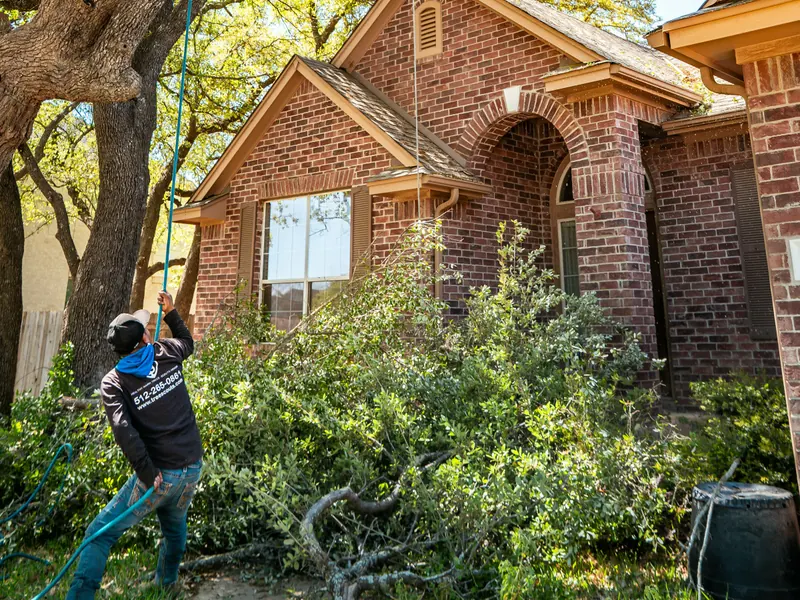
What's included
Everything inside tree services
Trimming and pruning
Clearance over roofs, drives and walks, deadwood removal, crown cleaning, and structural work on younger trees. Cuts are placed just outside the branch collar and sized to the limb, with timing chosen to suit the species rather than the week we are on the street.
Tree removal
Sectional dismantling from a rope-and-harness climb where there is no room to fell, straight felling where the drop zone is genuinely clear, and rigging to lower limbs and trunk sections over anything we cannot afford to hit.
Stump grinding
Grinding below grade after a locate request, with the flare and surface roots taken down where access allows. The opening is backfilled with topsoil and seeded or sodded if you want the lawn closed up.
Storm and hazard work
Hanging and broken limbs, torn stubs, leaning trunks, lifted root plates, and standing dead ash. Where a site needs to be usable before it can be tidy, we make it safe first and come back for the full cleanup.
Cleanup and disposal
Limbs are chipped, trunk wood is cut into rounds, brush is hauled, and the lawn and drive are raked and blown off. Chips can be left behind for mulch if you want them, or taken away with everything else.
Permit and parkway coordination
Rules differ from town to town. We check whether a tree sits on municipal parkway, whether a removal permit applies, and whether the forestry department wants to see the work before it starts, and we tell you what we find before you sign anything.
Choose the job
Tree Services pages, one per job
Each of these answers one question in full — scope, options, method, and the local conditions that change how it is built.
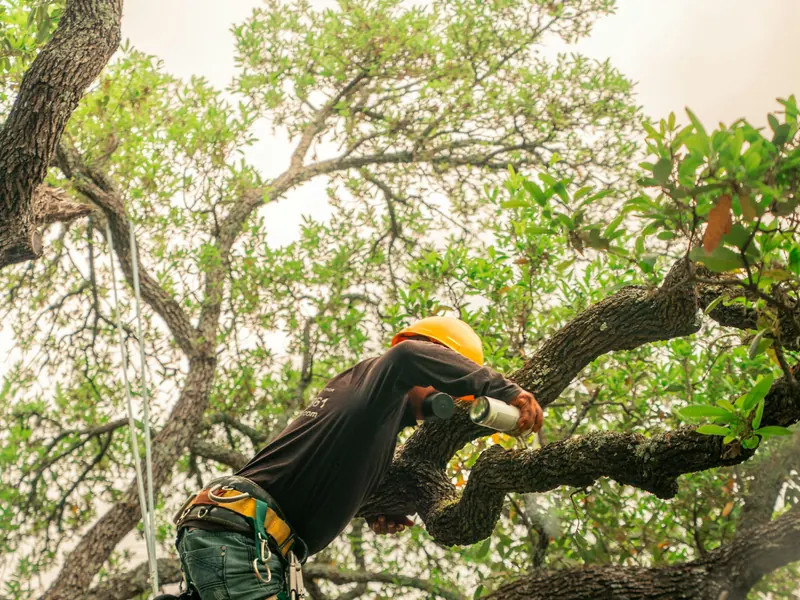
Trimming & Pruning
Clearance over roofs and drives, deadwood, crown cleaning and structural pruning, cut and timed correctly for the species.
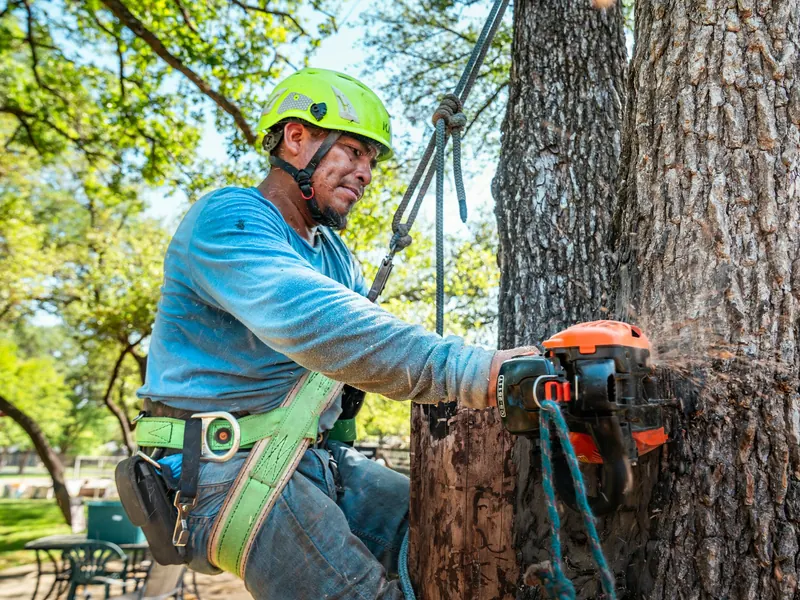
Tree Removal
Sectional dismantling, rigging over structures, and controlled felling where there is room, with the lawn protected and the wood cleared.
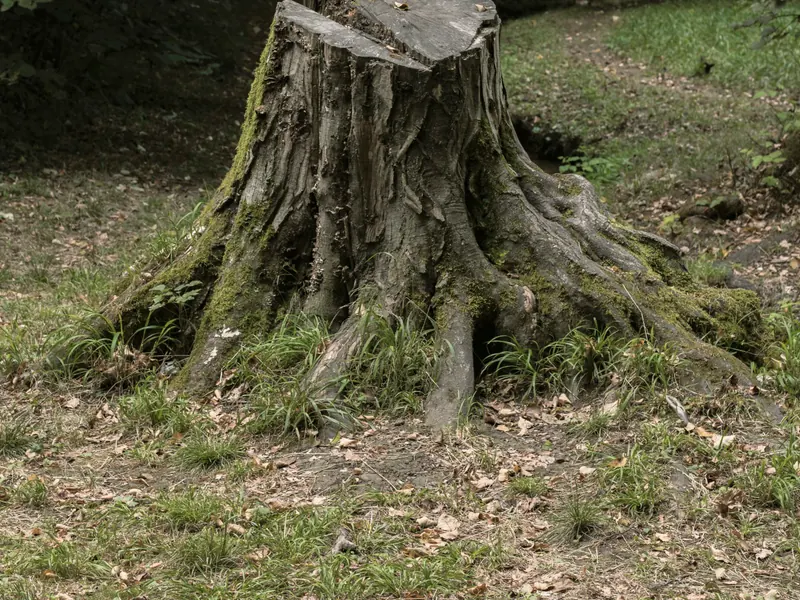
Stump Grinding
Utility locate, grinding below grade, surface roots chased back, then topsoil backfill and seed or sod.
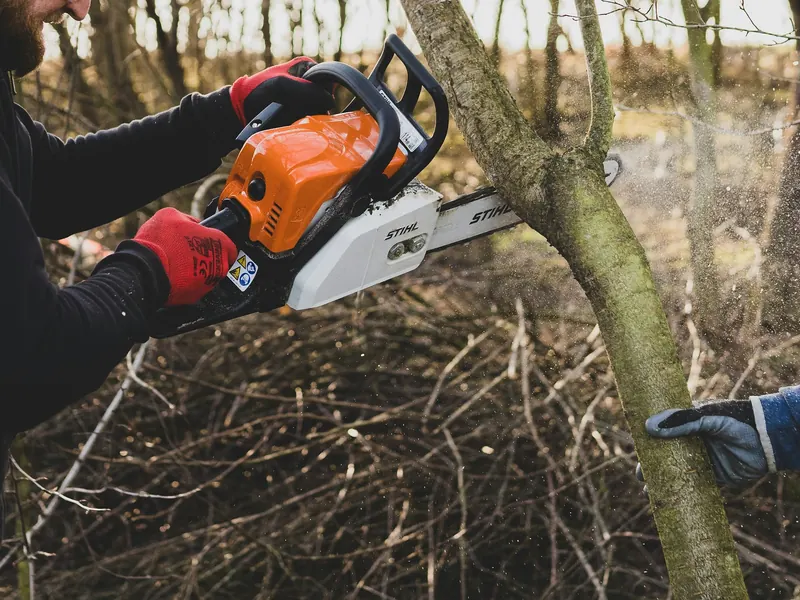
Storm & Hazard Work
Hanging limbs, leaning trunks, lifted root plates and brittle dead ash dealt with in order, starting with making the site safe.
How we build it
The sequence on site
Request
Tell us which trees you are thinking about and what is bothering you, by phone or through the form. Photos from the ground help, particularly for storm damage, but we do not price tree work from photos alone.
On-site walkthrough
We walk the trees with you, look at what is underneath them, and talk through the realistic options. Access is usually the deciding factor: a gate width, a soft side yard or a neighbor's driveway can change the whole method.
Written estimate
You get a written estimate listing the trees, the work on each one, what is left behind, and what gets hauled. If a permit or parkway approval is needed, the estimate says so rather than leaving it as a surprise.
Scheduling and site setup
Before the crew works, the paperwork is settled. Where grinding or any digging is planned, a locate request goes to JULIE at 811. On the day, we set the drop zone, protect the lawn and hard surfaces, and keep people and vehicles out from under the tree.
The work, then a final walkthrough
Cuts are made in a planned order, from the top down on a removal. When the wood is clear we rake, blow off the hard surfaces, and walk the site with you so anything that is not right gets handled while we are still there.
Northern Illinois
What this climate and this ground demand
Parkway trees usually belong to the town
The strip of grass between the sidewalk and the curb is normally municipal property, and so is the tree in it. Work on a parkway tree generally needs approval from the village or city forestry department, and in many towns the municipality prunes and removes those trees itself at no cost to you. Rules differ by town, so we confirm who owns the tree before we quote it.
Permits and protected trees
Some communities in the area require a permit to remove a tree above a certain trunk size, and some regulate removals on wooded or newly developed lots. Thresholds, fees and replacement requirements vary from one town to the next, so we check the current rule for your address instead of guessing at it.
What northern Illinois weather does to trees
Straight-line winds, wet snow and ice loading are what bring limbs down here, and spring and summer thunderstorms do most of the damage. Ice and heavy wet snow load the ends of long limbs, which is why limbs that have never been touched tend to fail at a weak union rather than in the middle.
Ash trees and emerald ash borer
Emerald ash borer has killed a very large number of ash trees across this region. Dead ash dry out and become brittle, and the wood breaks without warning, so a standing dead ash is not a tree to climb. Those come down rigged from outside the canopy or with equipment.
Materials & options
What you get to choose
Access and site protection
The route in decides the method. We look at gate widths, side yard grades, soft ground, septic fields, irrigation heads, pavers and sidewalk panels before anything rolls across them. Plywood and mats spread wheel loads, and limbs are lowered onto a protected landing zone rather than dropped onto turf or flagstone.
Climbing and rigging
Sound trees are climbed on rope and harness, not on spikes, because spike wounds are permanent on a tree you intend to keep. Where a limb cannot simply fall, it is tied in, cut, and lowered under control. Rigging is what lets us take a large limb off over a roof or a fence line in pieces small enough to handle.
Removals from outside the canopy
Brittle dead wood, ash killed by borer, and storm-loaded trunks are taken down from outside the canopy wherever we can, using equipment to reach and hold the wood rather than putting a climber into a structure we do not trust. Access and overhead room determine whether that is possible.
Utility lines and underground locates
Clearance around energized conductors is the utility's work, not a tree crew's. If the canopy is into primary lines, the correct first call is the utility, and we will tell you that rather than work next to it. Below grade, grinding cuts into soil, so a locate request to JULIE at 811 comes before the grinder starts.
What happens to the wood
Limbs go through the chipper, trunk wood is cut into rounds, and brush is hauled. If you want the chips, we can leave a pile for mulch, and rounds can be stacked where you ask instead of taken away. Say so at the walkthrough and it goes on the estimate.
FAQ
Tree Services questions
Do I need a permit to take down a tree in my yard?
It depends entirely on the town. Some communities in the area require a permit to remove a tree over a certain size, some regulate removals on wooded lots, and some do not regulate private yard trees at all. We check the current rule for your address during the estimate and tell you what applies before any work is scheduled.
The tree is between my sidewalk and the street. Can you work on it?
That strip is usually municipal property, and the tree in it usually belongs to the village or city. Work there generally needs the forestry department's approval, and in many towns the municipality maintains and removes those trees itself. We confirm ownership before quoting, because the answer changes from one town to the next.
When is the right time of year to prune?
For most shade trees, late fall and winter. Dormant pruning gives the clearest view of structure and avoids the insect activity that spreads disease. Oaks should not be pruned during the high-risk window for oak wilt, roughly April through early July in northern Illinois, and elms have a similar beetle-driven window. Spring-flowering trees are pruned after they bloom.
What does cleanup include?
Limbs chipped, trunk wood cut into rounds, brush hauled off, lawn raked, and hard surfaces blown clean. If you want the chips for mulch or the rounds for firewood, we will leave them where you ask. Stump grinding is a separate line item, so if you want the stump gone, say so at the walkthrough.
A storm brought limbs down. How quickly can you get here?
Storm damage is scheduled as quickly as we can get to it, and we will give you a straight answer about where you sit rather than a promise we cannot keep. If a limb is on a power line, call the utility first. If a tree is blocking a public street, call the municipality or 911. Those are not tree crew jobs.
Can you tell me whether my tree is dying?
No, and we will not pretend to. We do not offer tree health or risk assessments. If you need a formal opinion on a tree's condition, a report for a permit application, or a diagnosis of a disease, hire an independent certified arborist or ask your municipal forestry department. Once you have decided what you want done, we can do the work.
Areas served
Tree Services across the Fox Valley
We travel from Aurora to communities within roughly 30 miles. Each town page sets out the jurisdiction and permit notes that apply there.
Other trades
The rest of what we do
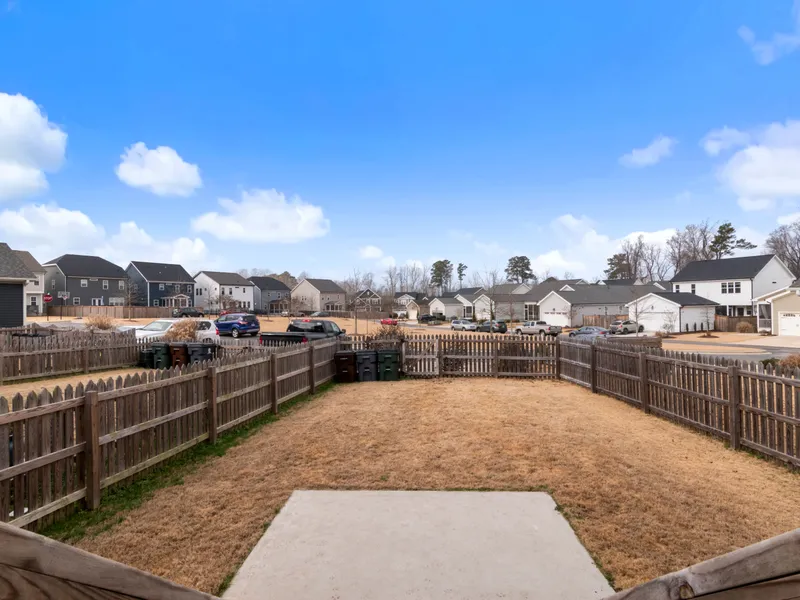
Fences
Wood, vinyl, aluminum and chain link fences for privacy, pets and pools. New installs, replacements and repairs, with post holes set below the frost line.
Explore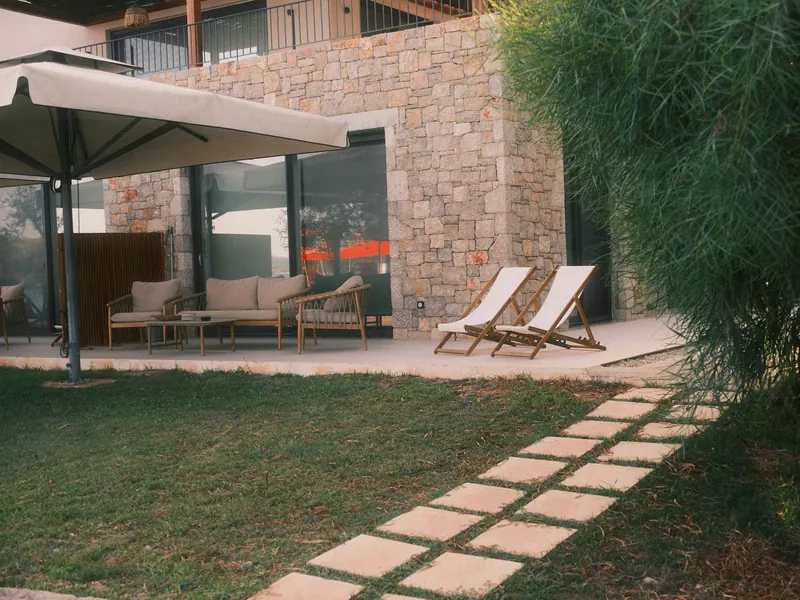
Hardscaping
Paver and brick patios, walkways, driveways, retaining and seat walls, fire pits, stone and curbing.
Explore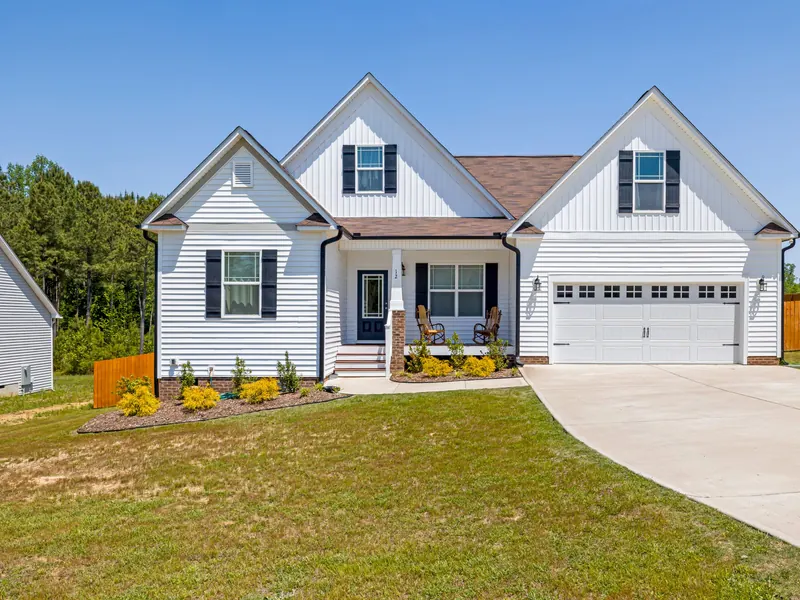
Concrete
Driveways, heated driveways, walkways, patios, stamped concrete, foundations and slabs.
Explore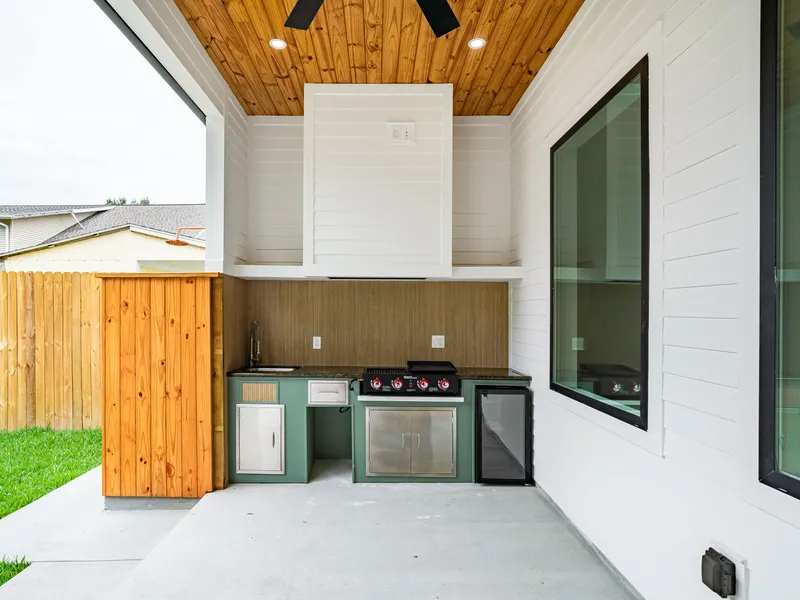
Outdoor Kitchens
Built-in grill islands, counters and bar seating on a paver or concrete base, designed to sit alongside your patio and fire pit.
Explore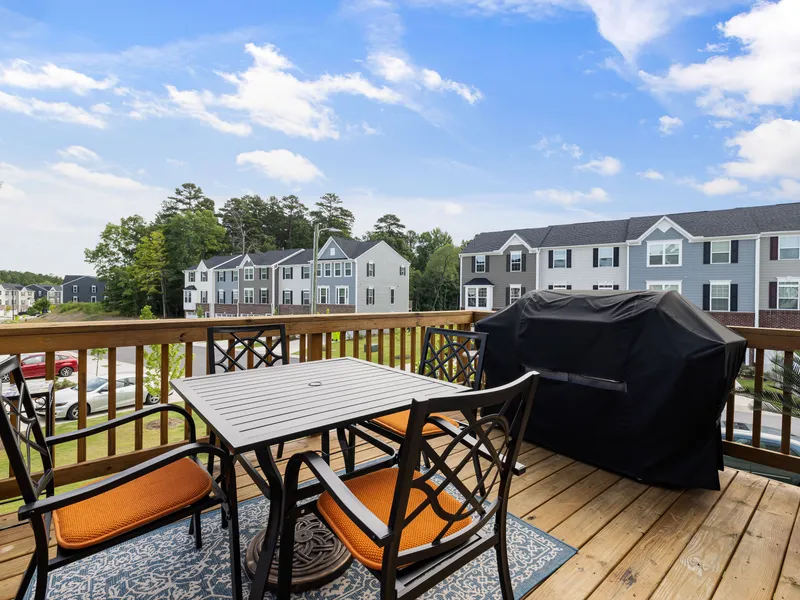
Porches & Decks
New decks and porches, plus repairs to boards, stairs and railings on the ones you already have.
Explore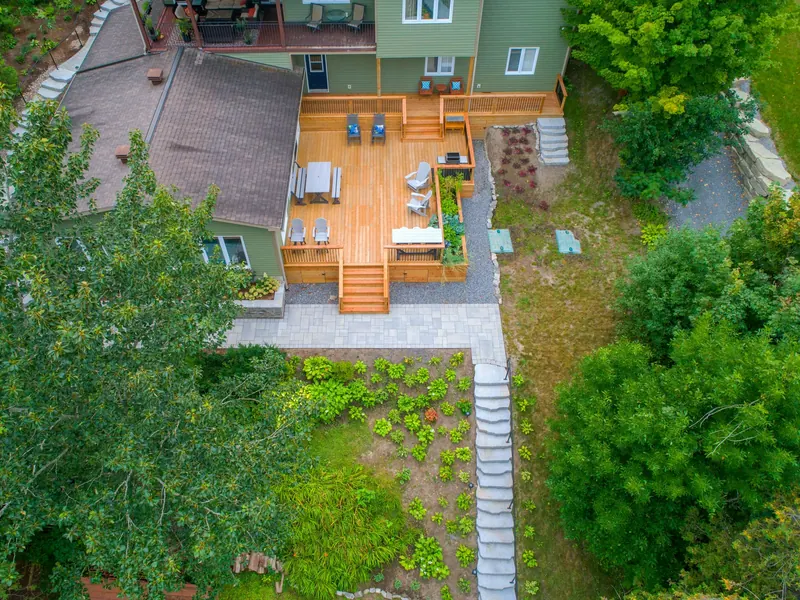
Landscaping & Lawn Care
Lawn mowing and maintenance, planting, sod, beds, rock, grading and drainage.
Explore
Snow Removal
Seasonal snow plowing and removal contracts for driveways, walkways and small lots.
Explore
Artificial Turf
Lawn replacement, pet areas and putting surfaces, built on a drainage base that works in clay.
Explore
Aurora and communities within about 30 miles
Get a free estimate for tree services
Tell us what you have in mind and we will walk the site with you, then put the scope and the price in writing before anything starts.