
Artificial Turf
Artificial Turf Installation in Aurora & the Western Suburbs
Artificial turf earns its place in a yard where grass will not grow or will not stay nice: deep shade under mature trees, a side yard the dogs have worn to dirt, a slope nobody wants to mow, a courtyard too small for the equipment to be worth owning. It stays even and green through a dry August and a wet November, with no mowing and no watering.
What decides whether it still looks right in five years is the base. Most of the western suburbs sit on heavy clay, which does not move water away on its own. A turf system over clay has to be excavated, built up in compacted aggregate with somewhere for water to go, and fixed firmly at every edge. Skip that and it holds water, moves with the frost, and shows every wrinkle.
Lux Landscaping Construction installs turf for lawn replacement, pet areas and putting surfaces across Aurora and the surrounding Fox Valley, DuPage, Kendall, Will and Kane county suburbs. Estimates are free and written: we walk the area, measure, and put the scope and the price in writing before anything is ordered.
What's included
Everything inside artificial turf
Lawn replacement
Replacing a struggling or high-maintenance lawn area with turf, from a small front yard to a back section. The finished height is set against the surrounding hardscape so there is no lip at a walk or a patio edge. Perimeter details are chosen to suit what the turf meets: concrete, pavers, a fence line or a planting bed.
Shade and problem areas
Under a canopy, along a north wall, between a garage and a fence, or on a slope that is awkward to mow. These are the spots where seed and sod keep getting replaced every year. Turf does not care about light levels, though the base still has to be built around tree roots rather than through them.
Pet areas
Dog runs and whole back yards built with drainage and odor control as the first priority: open-backing turf, infill chosen for cleanability, and a perimeter a dog cannot pick loose. Rinsing keeps it fresh, and the surface does not turn to mud in a wet week.
Putting surfaces
Short-pile putting turf over a contoured, heavily compacted base, with cups, a fringe collar and the breaks you want to practice. Sized to the space and the sightlines you actually have rather than to a catalog layout.
Turf between hardscape
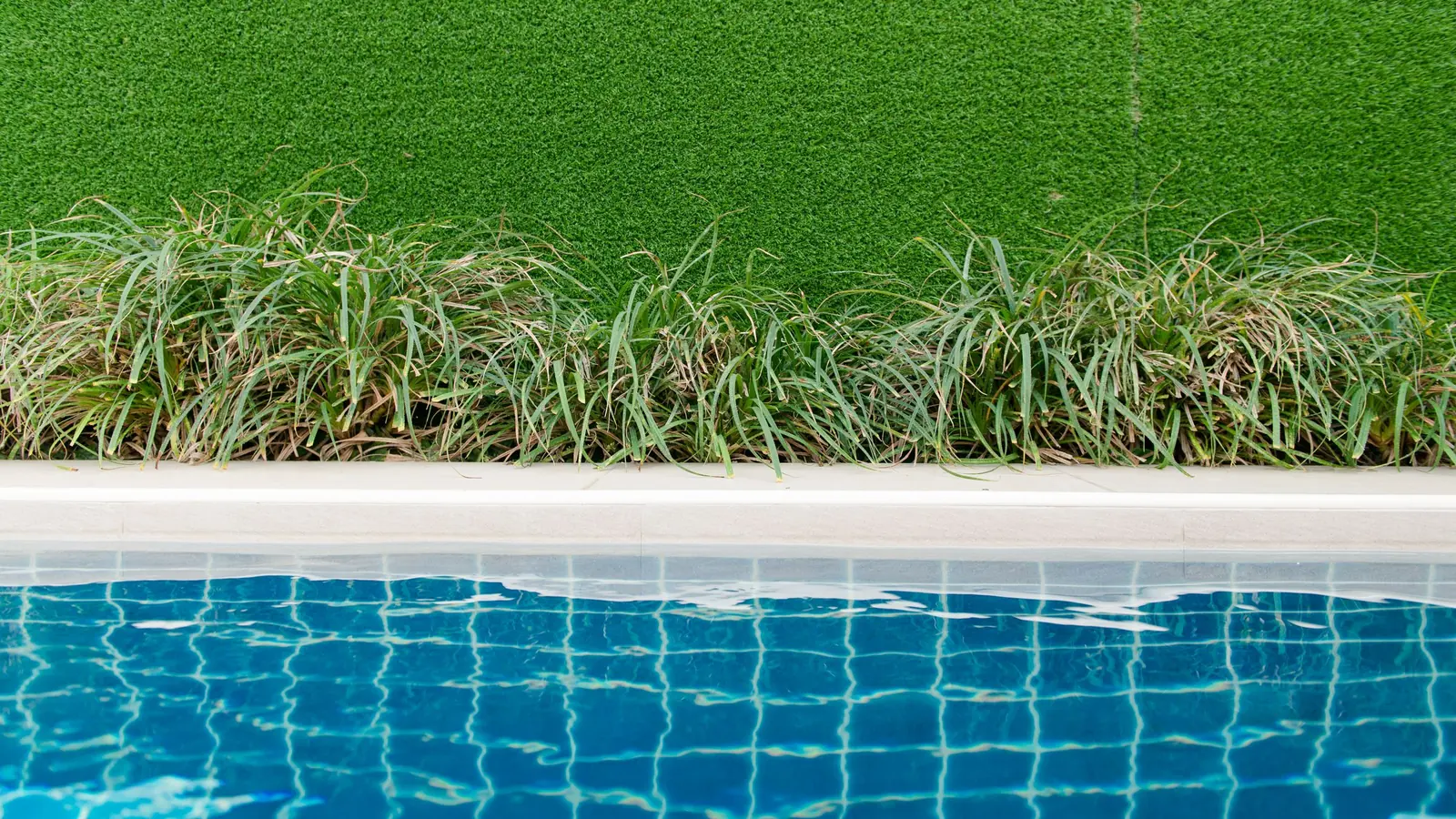
Strips between pavers, a band along a pool surround, the boulevard between a driveway and a walk, or the gaps in a stepping-stone path. Small areas where mowing is impractical and the turf has a clean, hard edge to be fixed to.
Base and drainage work
The part of the job you never see. Excavation, geotextile separation where the soil demands it, compacted aggregate, shaping for fall, and in some yards a collector drain tied to an outlet, so the system drains in clay instead of over it.
Choose the job
Artificial Turf pages, one per job
Each of these answers one question in full — scope, options, method, and the local conditions that change how it is built.
Residential Turf
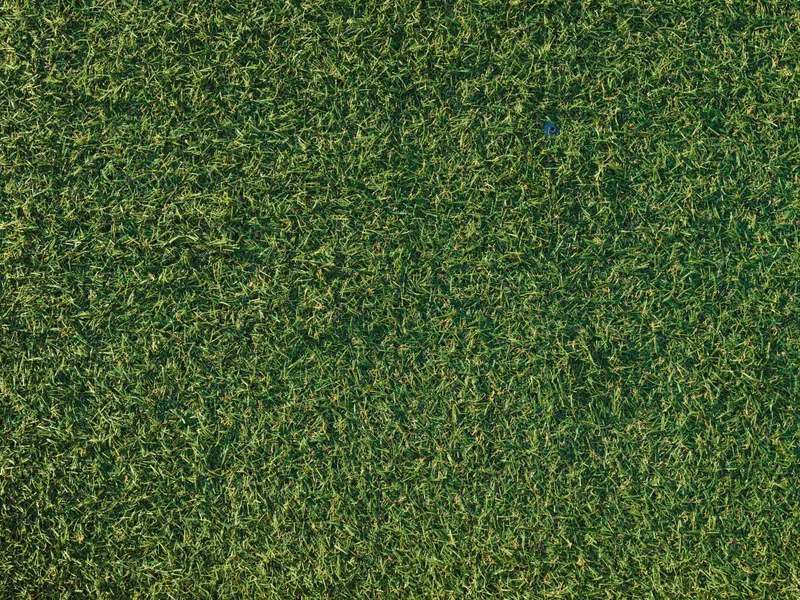
Turf for shade, worn lawn areas, slopes and small yards, over an excavated and compacted drainage base.
Pet Turf
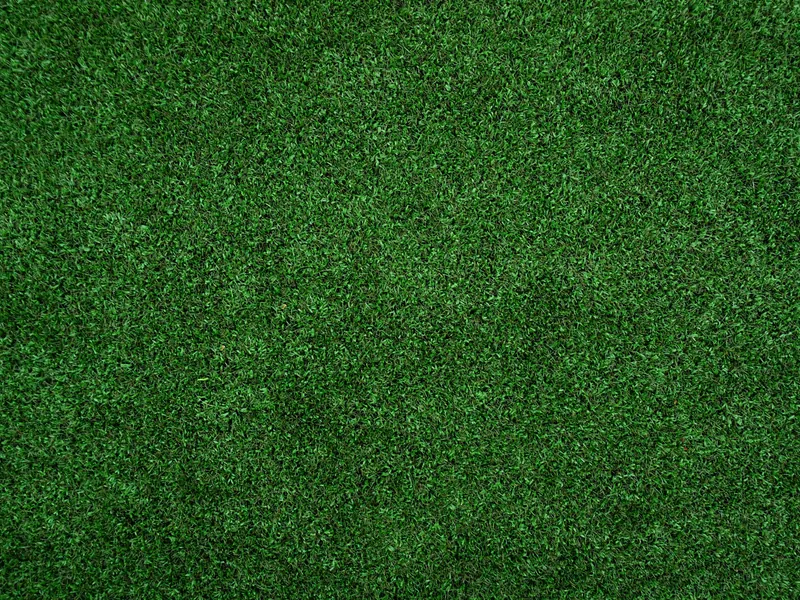
Dog runs and back yards built around drainage and odor control, with open-backing turf and a dig-resistant perimeter.
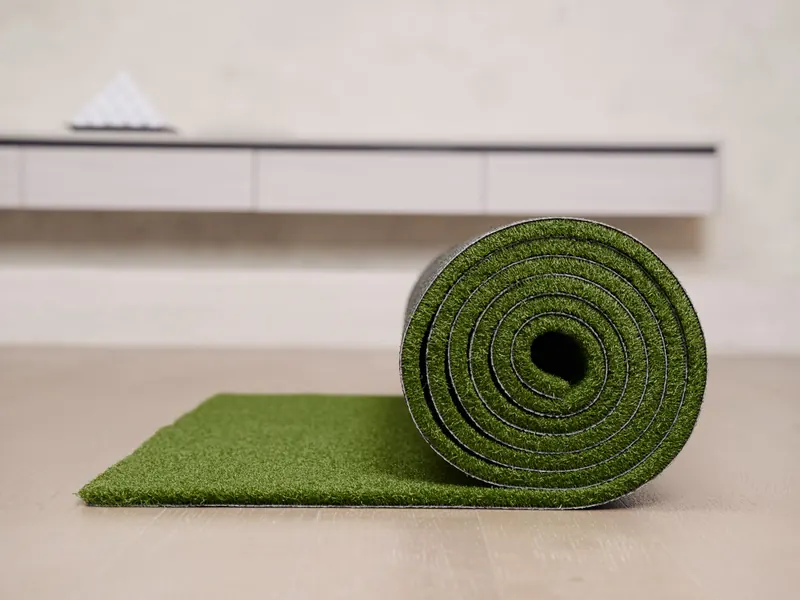
Putting Greens
Backyard putting surfaces over a contoured, heavily compacted base, with cups, fringe collar and the breaks you want.
How we build it
The sequence on site
Request
Tell us the area you are thinking about, roughly how big it is, and what it has to handle: kids, dogs, golf, deep shade, a slope. Photos of the spot as it is now help more than anything else.
On-site walkthrough
We measure the area, check how the ground drains, look at the shade and the surface roots, and work out what the turf will be fixed to at every edge. This is also when we go through pile, color and infill with samples in daylight.
Written estimate
You get a written scope and price: excavation depth, base build, drainage detail, the specific turf and infill, seaming, perimeter fixing and cleanup. It is free, and nothing is ordered until you agree to it.
Install and final walkthrough
Locates are called to JULIE, the area is excavated and the base built and compacted, then turf is laid, seamed, fixed and infilled. We walk it with you at the end and go through care: brushing, rinsing, and what to do with snow.
Northern Illinois
What this climate and this ground demand
Clay and drainage
Soils across the Fox Valley and DuPage are heavy and slow to drain, so a turf base cannot rely on the ground below it to take water away. The aggregate layer is built to hold its shape under compaction while still passing water, shaped to a fall, and taken to an edge or a drain rather than ending in a bowl. Turf backing is permeable, but perforations only help if the base below them drains.
Freeze and thaw at the edges
Ground movement through the winter pulls at anything fixed to it. Perimeter nailing into a compacted base, a rigid edge where turf meets soil or a bed, and generous overlap at hard edges keep the turf from lifting at a corner after a hard freeze. Seams are glued or stitched so they do not open as the base moves.
Snow and ice
Snow can simply be left to melt; turf is not harmed by being buried. If you want the surface clear, use a plastic shovel or a stiff broom and work with the direction the fibers lie. Keep metal-edged shovels, plow blades and ice chippers off it, and do not put salt or chemical de-icer on turf, since the residue sits in the infill and does nothing useful.
What turf does not fix
Turf solves the grass problem under a maple. It does not solve a drainage problem in the same spot. If a low area holds water after every storm, that gets addressed in the base build or with a drain, because turf over a wet hollow is still a wet hollow. We tell you at the walkthrough which one you have.
Materials & options
What you get to choose
Turf fibers and backing
Residential turf is generally polyethylene monofilament, often over a stiffer thatch layer that holds the blades up and gives the color depth. Pile height, blade shape, face weight and stitch rate all affect how it stands up to traffic. Backing is either hole-punched or fully permeable, and the fully permeable backings are what pet areas want.
Infill
Rounded silica sand is the default: it weighs the turf down, keeps the blades upright and shields the backing from sun. Coated sands and zeolite are used where odor control matters. Infill type and depth are named in the written scope, because skipping infill is the fastest route to a matted surface.
Base aggregate and separation
Crushed limestone or a screenings blend, compacted in lifts, makes a base that holds a contour and still drains. Geotextile between clay and aggregate stops the two from mixing and keeps the stone working. A weed barrier at the correct layer keeps growth from pushing up through seams and edges.
Edging and fixing
Turf has to be held at its perimeter: spikes into a compacted base, adhesive and a nailer where it meets concrete, bender board or paver edge restraint along soil and beds, and treated timber where a putting green needs a crisp line. The fixing is chosen for what the edge is made of, not applied uniformly.
Seaming materials
Seam tape with adhesive, or stitched seams, with the fibers of adjoining pieces running the same direction so the join disappears. A visible seam is almost always a fiber-direction mistake or tape laid over an uncompacted base.
Design ideas
Reference images
Sample inspiration photographs to help you describe what you want. These are not Lux Landscaping Construction projects.
Turf holds its edge in the places real grass struggles to grow.
FAQ
Artificial Turf questions
Does artificial turf actually drain in clay soil?
It can, but because of the base built under it, not because the turf is permeable. We excavate, place and compact aggregate that passes water, shape it to fall toward an edge or a drain, and separate it from the clay with geotextile. Over undisturbed clay with no fall, any turf will hold water.
What about snow and ice?
Leave it to melt if you can. Otherwise clear it with a plastic shovel or a broom rather than a metal blade, and do not apply salt or de-icer. Turf comes through a northern Illinois winter without complaint. What damages it is scraping and chemicals.
Does it get hot in summer?
In direct sun, synthetic turf runs warmer than grass, which is worth knowing if the area is a south-facing patch with no shade at all. In the shaded, north-facing and tree-covered spots where turf usually makes the most sense here, it is a non-issue, and a rinse brings the surface temperature down quickly.
What maintenance does it need?
No mowing and no watering, but not zero. Brush the fibers upright periodically, especially in traffic lanes, blow or rake leaves off so they do not break down into the infill, rinse pet areas, and top up infill in high-wear spots.
Can turf go over my existing lawn or patio?
Not over a lawn. Sod and topsoil have to come out, or the organic layer decomposes and the surface goes uneven. Over sound concrete it can work, with the right pad or underlayment and attention to where water goes at the edges. That is decided at the walkthrough.
Is it safe for dogs and kids?
The turf and sand infill are inert, and the usual questions are about infill and surface temperature rather than the fibers. For pets we use open backing and an infill chosen for drainage and odor, with rinsing as part of normal care. For kids, a shock pad can be added under the turf where there is play equipment. Manufacturers publish their own test documentation, and we pass that along for the product you choose.
Areas served
Artificial Turf across the Fox Valley
We travel from Aurora to communities within roughly 30 miles. Each town page sets out the jurisdiction and permit notes that apply there.
Other trades
The rest of what we do
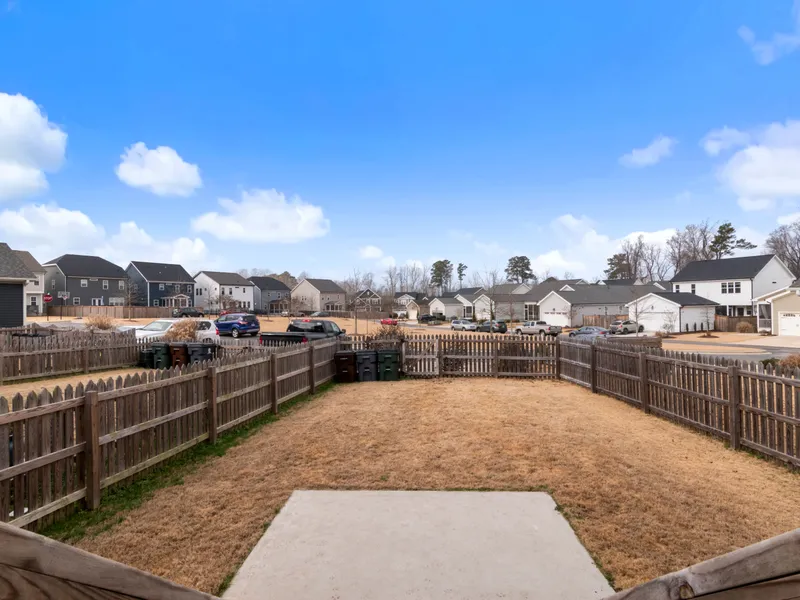
Fences
Wood, vinyl, aluminum and chain link fences for privacy, pets and pools. New installs, replacements and repairs, with post holes set below the frost line.
Explore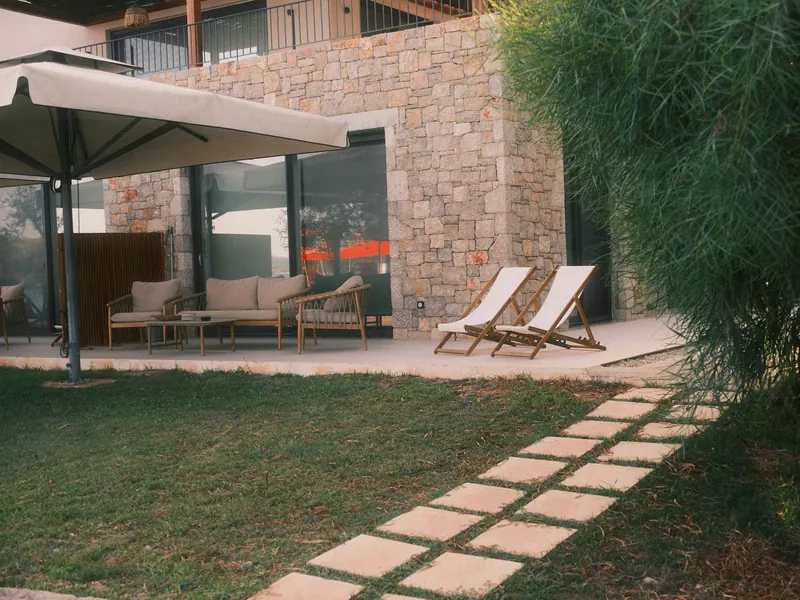
Hardscaping
Paver and brick patios, walkways, driveways, retaining and seat walls, fire pits, stone and curbing.
Explore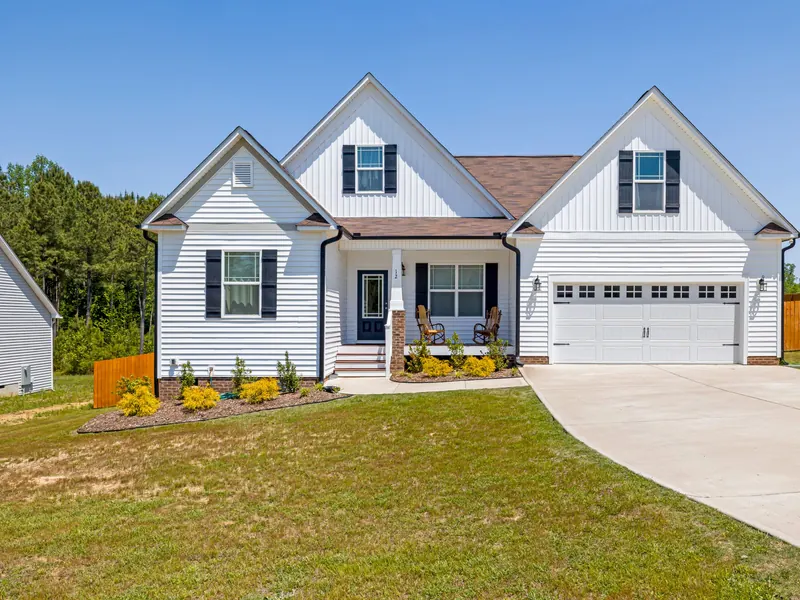
Concrete
Driveways, heated driveways, walkways, patios, stamped concrete, foundations and slabs.
Explore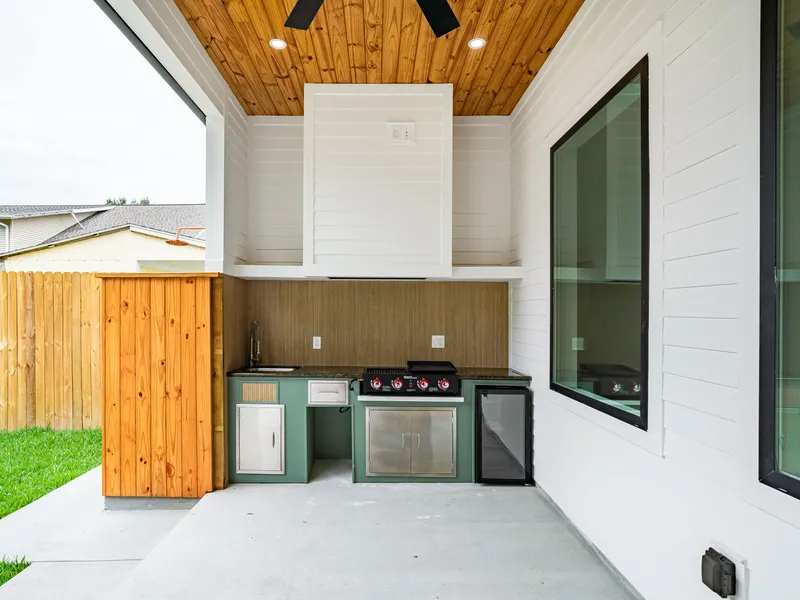
Outdoor Kitchens
Built-in grill islands, counters and bar seating on a paver or concrete base, designed to sit alongside your patio and fire pit.
Explore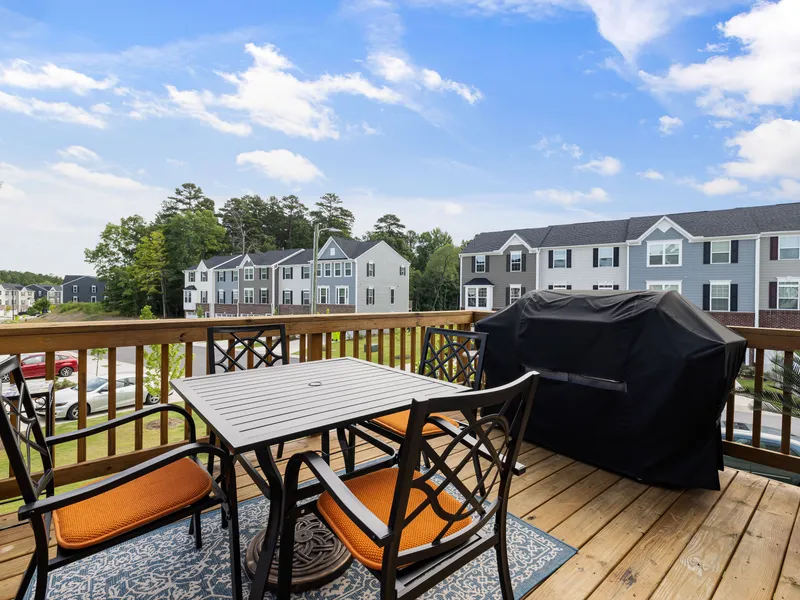
Porches & Decks
New decks and porches, plus repairs to boards, stairs and railings on the ones you already have.
Explore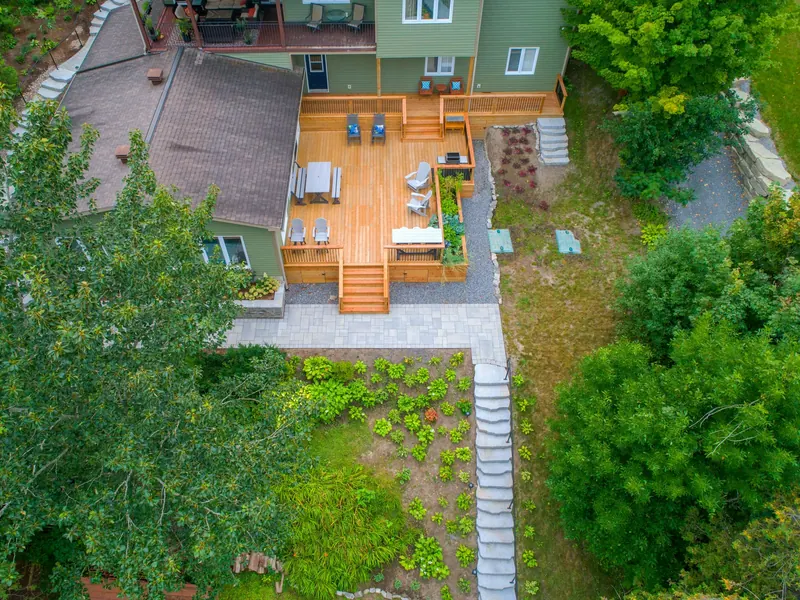
Landscaping & Lawn Care
Lawn mowing and maintenance, planting, sod, beds, rock, grading and drainage.
Explore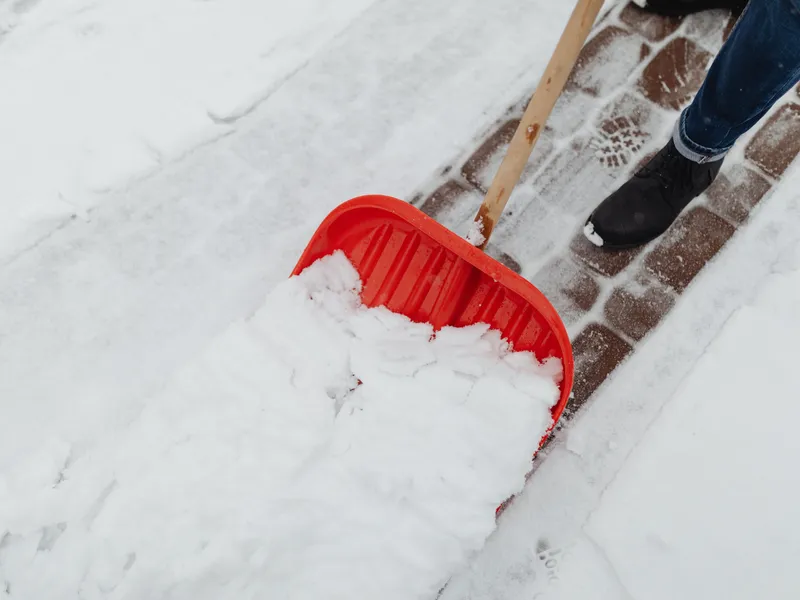
Snow Removal
Seasonal snow plowing and removal contracts for driveways, walkways and small lots.
Explore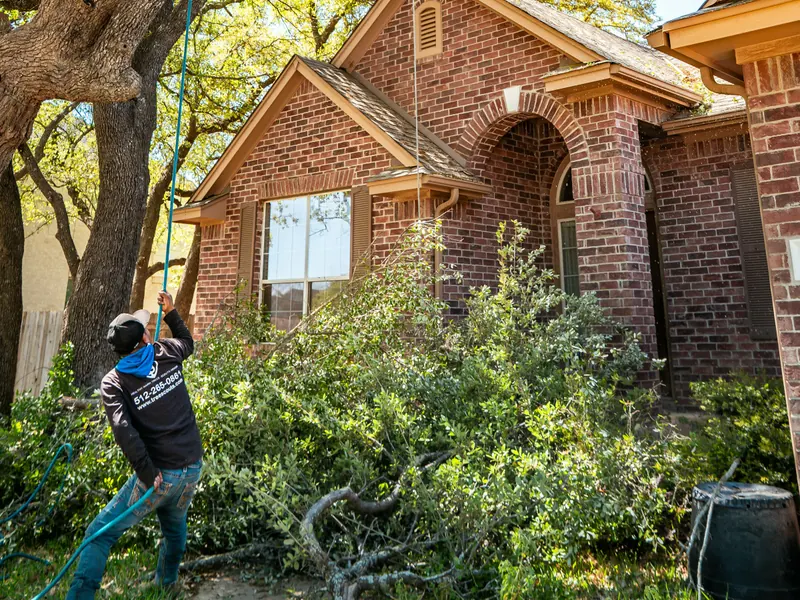
Tree Services
Trimming, pruning, removals, stump grinding and storm damage work, with the site cleaned up before we leave.
Explore
Aurora and communities within about 30 miles
Get a free estimate for artificial turf
Tell us what you have in mind and we will walk the site with you, then put the scope and the price in writing before anything starts.