
Concrete
Concrete Contractor in Aurora & the Western Suburbs
A concrete surface in northern Illinois is decided before any mix arrives. The ground here heaves and settles repeatedly between November and April, and a slab only stays flat if what sits under it was excavated deep enough, compacted in lifts, and given somewhere for water to go.
Lux Landscaping Construction places driveways, walkways, patios, decorative finishes and slabs across Aurora and the surrounding Fox Valley, DuPage, Kendall, Will and Kane county suburbs, roughly thirty miles out. Much of that area sits on heavy clay, which holds water and swells and shrinks with it. Base depth, joint layout and the pitch of the finished surface all get set with that soil in mind.
Estimates are free and written. We walk the site with you, measure, look at how water moves across it now, and put the scope and the price in writing before anything is ordered.
What's included
Everything inside concrete
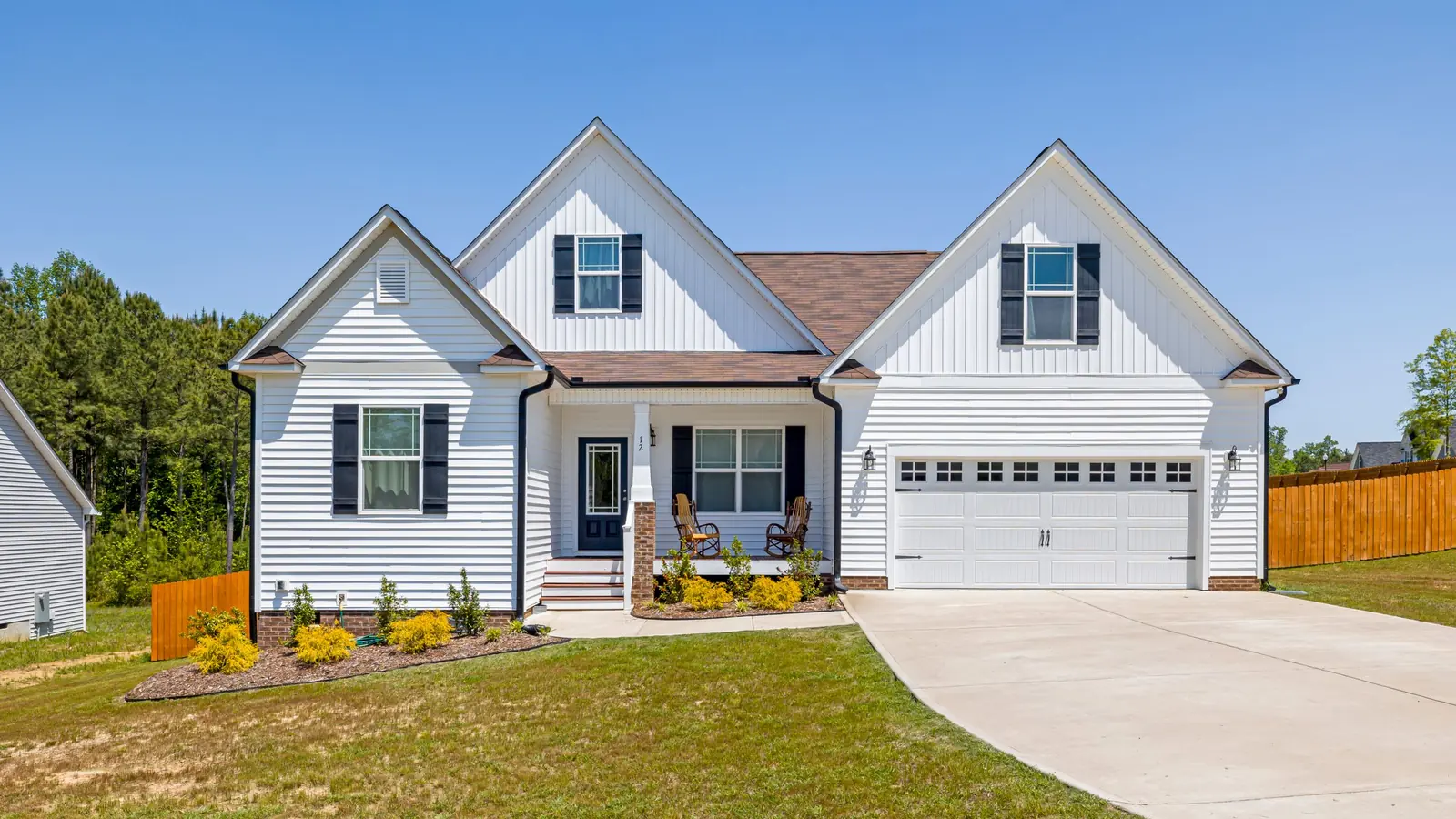
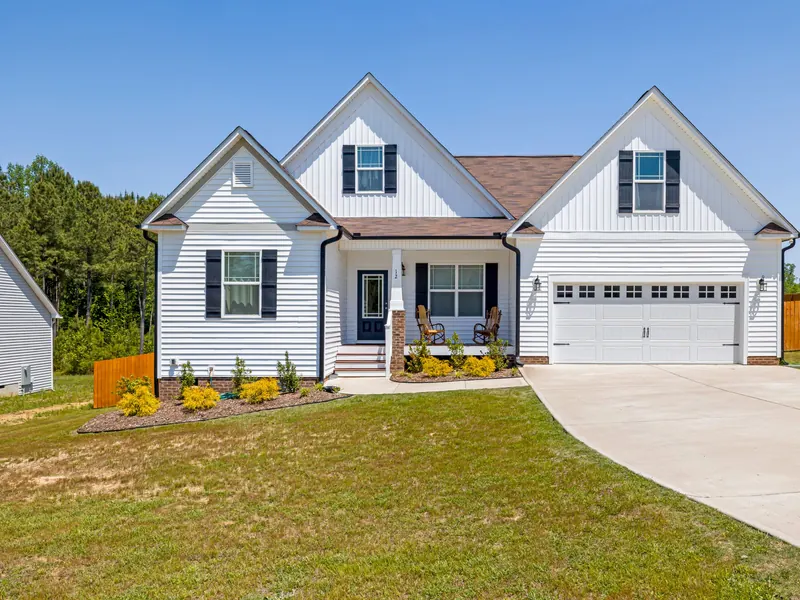
Driveways and aprons
Full removal and replacement of a tired slab, new pours for an addition, and widening for a second vehicle or a turnaround. The driveway is sloped to carry water to the street or a side yard rather than toward the garage. Where the apron meets the public right-of-way, approval from the city or village is confirmed first.
Heated driveways
Heated driveways use radiant tubing or cable set in the slab to melt snow and ice, so there's no shoveling or salt damage.
Walkways, steps and stoops
Front walks, service walks along the side of the house, and the steps and landings that connect them to a door. Risers are kept consistent and treads are pitched slightly to shed water. The finish is chosen for traction when the surface is wet or frosted.
Patios and sitting areas
Slabs for dining, grilling and fire features, laid out around the furniture and the doors they serve. Drainage runs away from the foundation rather than toward it. Edges can be squared, radiused or tied into existing hardscape.
Stamped and decorative finishes
Pattern, color and texture pressed into the fresh surface, plus broom, exposed-aggregate and smooth-troweled options for plainer work. Decorative surfaces need sealing on a schedule, and we go through what that involves before a pattern is chosen.
Foundations
Footings and foundation concrete for garages, additions, porches and outbuildings, with depth, reinforcement and inspections confirmed with the local building department before the pour.
Slabs, pads and footings
Shed and garage floors, generator and condenser pads, hot tub bases and equipment pads. Thickened edges, reinforcement and vapor barriers are specified by what the slab carries. Anything structural is confirmed project by project with the local building department.
Tear-out and site repair
Breaking out and hauling away the old surface, with clean saw cuts where new concrete meets a slab that is staying. The grade and the turf line along the edges are restored as part of the work, so the job does not end at the form line.
Choose the job
Concrete pages, one per job
Each of these answers one question in full — scope, options, method, and the local conditions that change how it is built.
Concrete Driveways
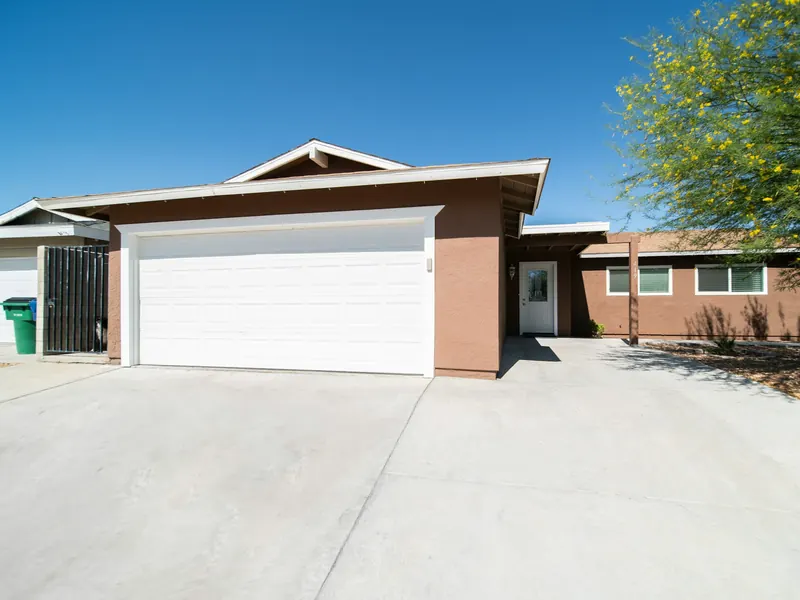
Removal, base rebuild, reinforcement and jointing for a driveway that stays flat through Illinois winters.
Concrete Walkways
Front walks, service walks, steps and landings, pitched to drain and textured for traction.
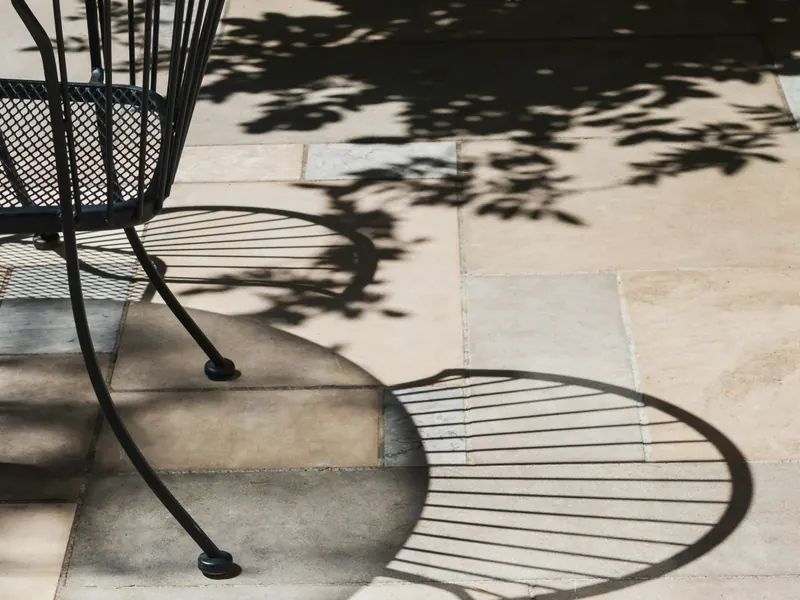
Concrete Patios
One continuous surface for dining, grilling and fire features, drained away from the house and jointed to its shape.
Stamped Concrete
Pattern, color and texture worked into a fresh slab, with the sealing and de-icer care the finish needs here.
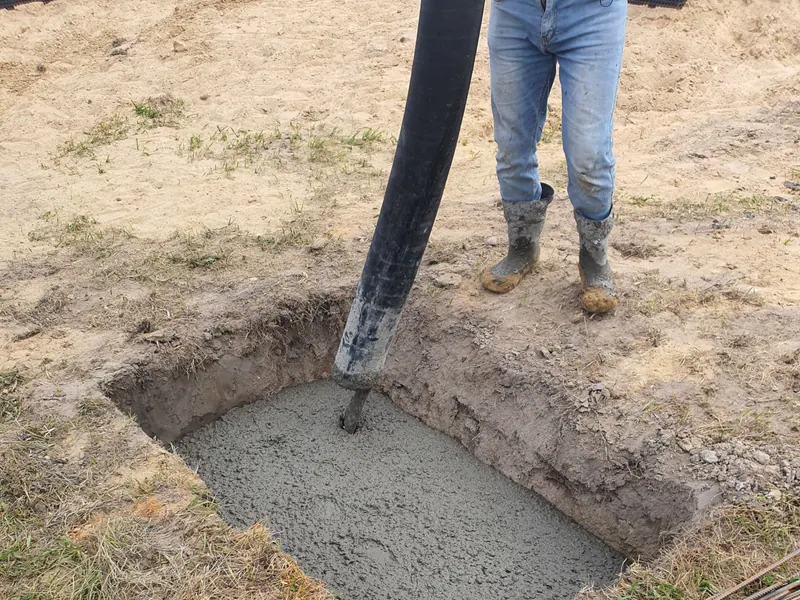
Slabs & Foundations
Shed and garage slabs, equipment pads, stoops and footings, with structural scope confirmed project by project.
How we build it
The sequence on site
Request
Tell us what you want built and where. A few photos and rough dimensions are enough to start, along with the town you are in, since municipal requirements differ from one village to the next.
On-site walkthrough
We come out, measure, and look at the things that decide the build: existing slab condition, soil, grade, downspouts, and where water sits after a storm. This is also when we talk through finishes, edge details and joint layout.
Written estimate
You get the scope and the price in writing: removal, base depth, slab thickness, reinforcement, finish, joints and cleanup, itemized so you can see what each part is. It is free, and nothing is ordered or scheduled until you have it and agree to it.
Build and final walkthrough
Utility locates are called in to JULIE, permits and apron approvals are confirmed with the municipality, then we form, pour, finish and cure. We walk the finished work with you, tell you when the surface is ready for foot traffic and when it will take a vehicle, and go over first-winter care.
Northern Illinois
What this climate and this ground demand
Freeze-thaw
Water that gets into concrete expands when it freezes, and here that cycle repeats all winter instead of happening once. Air-entrained mix gives that water microscopic room to move, which is why exterior flatwork in Illinois is specified with it. Control joints at sensible spacing give the slab a planned place to crack instead of a random one.
Clay soil
Fox Valley and DuPage soils are heavy and slow to drain. Clay holds water, swells when wet and shrinks when dry, so a thin or loosely placed base will move under a slab no matter how good the mix is. We over-excavate for crushed stone and compact it in lifts rather than in one pass.
De-icing salt
Chlorides are the main cause of surface damage on exterior concrete in this climate, and a new slab is most vulnerable through its first winter. Use sand for traction that season and keep rock salt off the new surface. Avoid any product containing ammonium nitrate or ammonium sulfate permanently, since those attack cement paste directly.
Permits and locates
Requirements change from town to town. Aurora runs its own contractor registration, North Aurora handles patio and driveway permits on separate applications, a driveway apron in the public right-of-way usually needs its own approval, and public sidewalk replacement generally follows the municipality's standard detail. We confirm what applies with the local building department before work starts, and JULIE locates are called on every dig.
Materials & options
What you get to choose
Air-entrained ready-mix
Exterior flatwork here is placed with an air-entrained mix. The entrained bubbles give freezing water somewhere to expand, which is the mix property that matters most in this climate. Strength class and slump are matched to the use, and we do not add water on site to make placement easier.
Aggregate base
Crushed limestone base, graded and compacted in lifts, is what carries the load and lets water move out from under the slab. Depth is set by the use and the subgrade, with more stone under a driveway than under a walk. Each lift is compacted and checked before the next one goes in.
Reinforcement
Depending on the slab: deformed bar on chairs, welded wire lifted into the pour, dowels at cold joints, or fibers mixed in. Reinforcement does not stop concrete from cracking. It holds the pieces in plane so a crack stays tight instead of becoming a trip edge or a step-off.
Color and texture
Integral color mixed at the plant, color hardener broadcast and worked into the surface, antiquing release for a second tone in the texture, and mats or skins for the pattern. Broom, float and exposed-aggregate finishes cover the plainer work. Samples are reviewed in daylight before a mix is ordered.
Sealers and joint materials
Penetrating or film-forming sealers depending on the finish and how much traction the surface needs, with grit additives available for steps and slopes. Expansion joint material separates new concrete from the house, the garage and other fixed edges. Flexible sealant goes into saw cuts where the location warrants it.
Design ideas
Reference images
Sample inspiration photographs to help you describe what you want. These are not Lux Landscaping Construction projects.
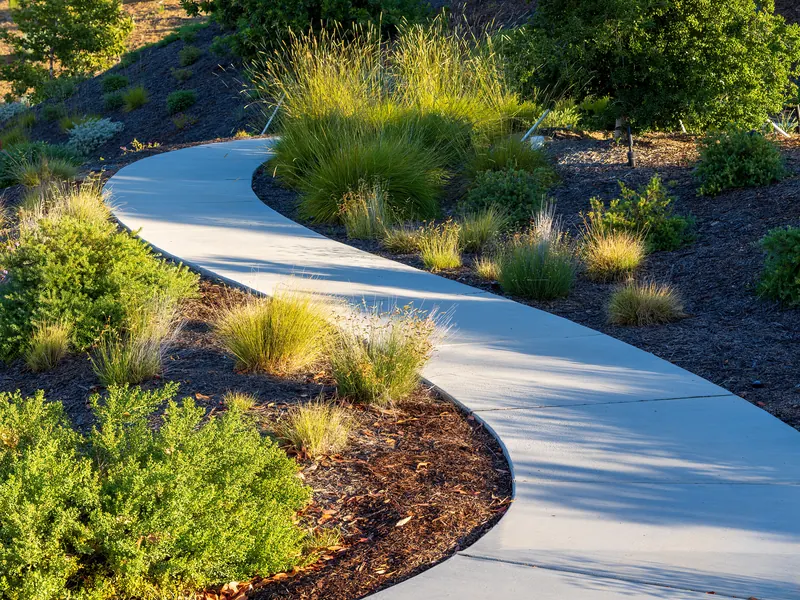
A poured path can take a curve that modular units cannot. Large-format units and tight joints keep a patio surface reading as one plane.
FAQ
Concrete questions
Do you charge for an estimate?
No. Estimates are free: we walk the site with you, take measurements, and send a written scope and price. Nothing is ordered or scheduled until you have that in hand and agree to it.
Concrete or pavers?
Concrete gives you a continuous surface with few joints to maintain and usually a lower installed cost per square foot. Pavers move with the ground instead of cracking, and individual units can be lifted and reset. In clay soil both need the same base work, so the decision mostly comes down to appearance, repairability and budget.
Will my new concrete crack?
Concrete shrinks as it cures, so it relieves that stress somewhere. The installer's job is to decide where: control joints at appropriate spacing, isolation joints where the slab meets the house or a post, and reinforcement to keep any crack tight. Hairline movement at a joint is normal. A displaced crack across a panel is a base problem.
When can I walk and drive on it?
Concrete keeps gaining strength for weeks, with most of it arriving over the first month. We tell you at the final walkthrough when the surface is ready for foot traffic and when it is ready for vehicles, based on the mix, the thickness and the weather that week.
Can you pour in the winter?
Cold-weather placement is possible with mix adjustments and protection, but it adds cost and risk, and frozen ground cannot be compacted properly. If waiting for the season is the better call for your project, we will say so rather than pour into bad conditions.
What happens to the old driveway or patio?
Removal and disposal is part of the scope. We saw-cut clean edges where new concrete meets something that is staying, break out the old slab, and haul the material off site.
Areas served
Concrete across the Fox Valley
We travel from Aurora to communities within roughly 30 miles. Each town page sets out the jurisdiction and permit notes that apply there.
Other trades
The rest of what we do
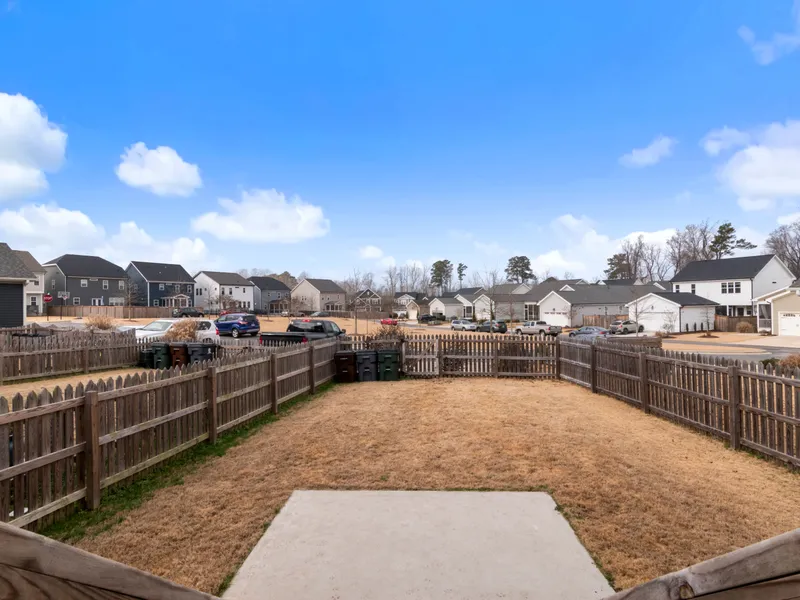
Fences
Wood, vinyl, aluminum and chain link fences for privacy, pets and pools. New installs, replacements and repairs, with post holes set below the frost line.
Explore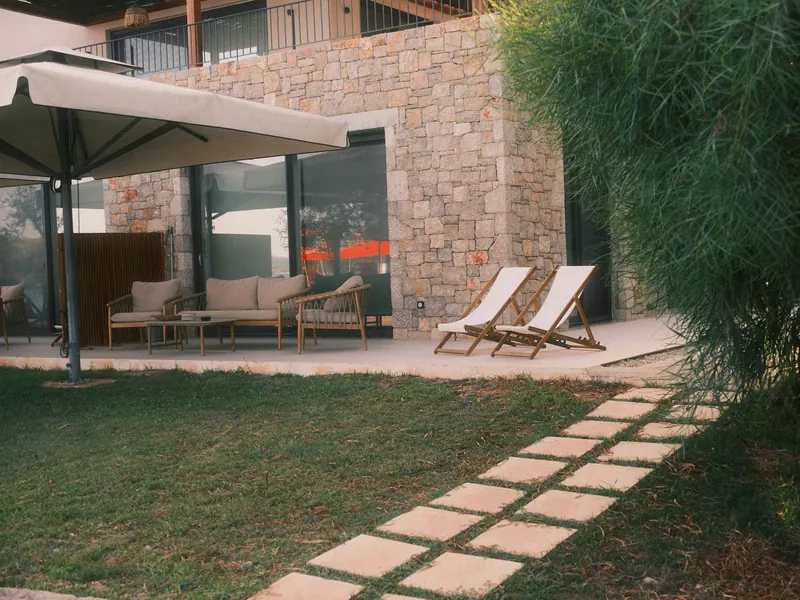
Hardscaping
Paver and brick patios, walkways, driveways, retaining and seat walls, fire pits, stone and curbing.
Explore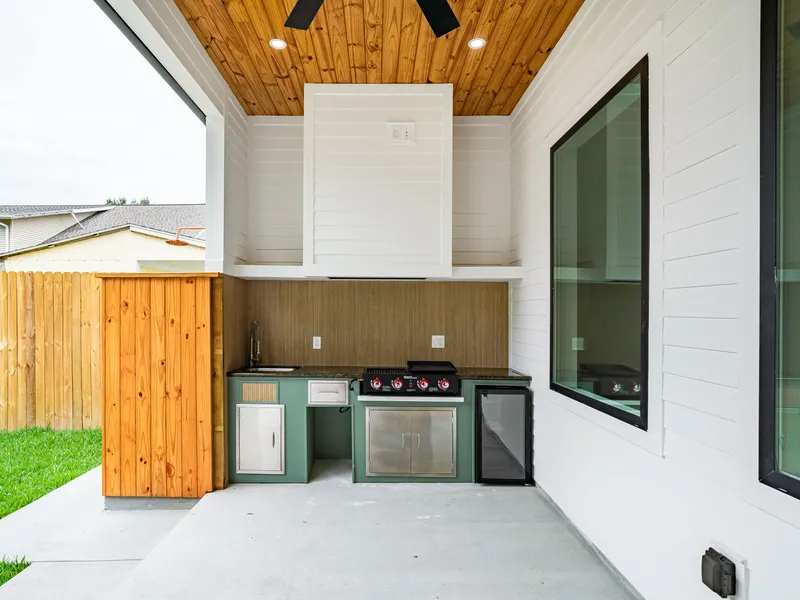
Outdoor Kitchens
Built-in grill islands, counters and bar seating on a paver or concrete base, designed to sit alongside your patio and fire pit.
Explore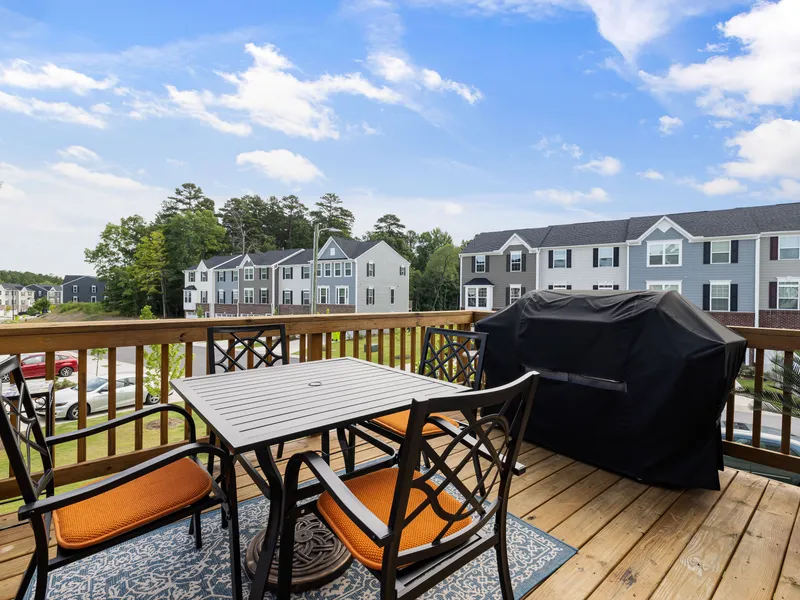
Porches & Decks
New decks and porches, plus repairs to boards, stairs and railings on the ones you already have.
Explore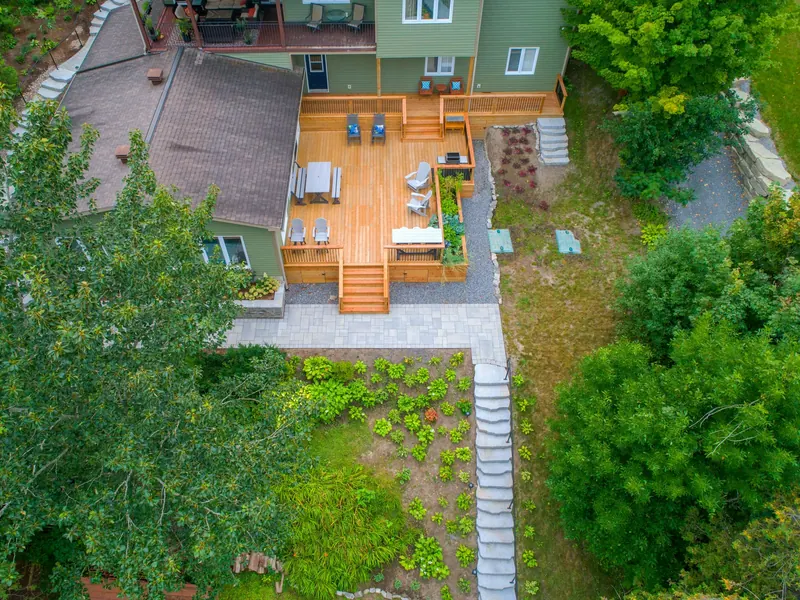
Landscaping & Lawn Care
Lawn mowing and maintenance, planting, sod, beds, rock, grading and drainage.
Explore
Snow Removal
Seasonal snow plowing and removal contracts for driveways, walkways and small lots.
Explore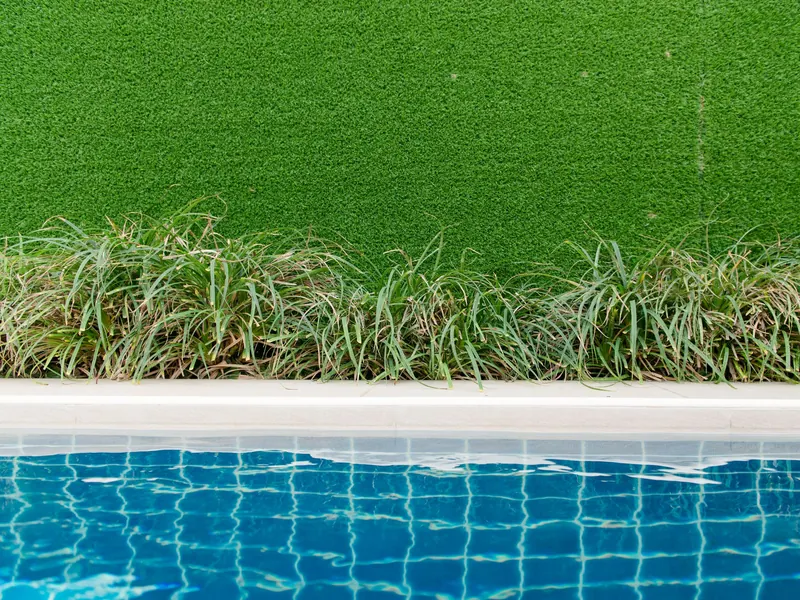
Artificial Turf
Lawn replacement, pet areas and putting surfaces, built on a drainage base that works in clay.
Explore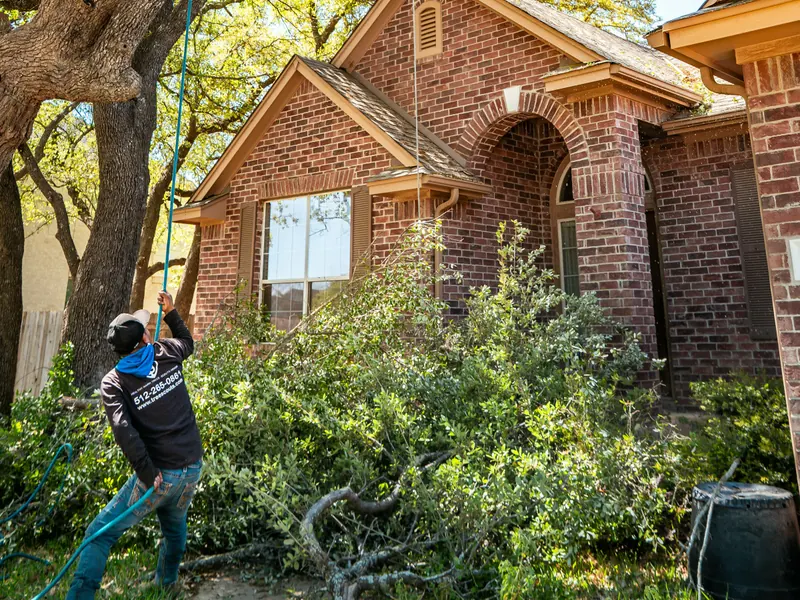
Tree Services
Trimming, pruning, removals, stump grinding and storm damage work, with the site cleaned up before we leave.
Explore
Aurora and communities within about 30 miles
Get a free estimate for concrete
Tell us what you have in mind and we will walk the site with you, then put the scope and the price in writing before anything starts.