
Tree Services
Stump Grinding in Aurora, IL
Grinding is the one part of tree work that happens below grade, which is why it starts with a phone call rather than a machine. A grinder wheel cuts through soil as readily as wood, and a yard that looks empty can hold an irrigation line, a low-voltage lighting run, an invisible pet fence, a gas line to a grill, or a cable drop four inches down.
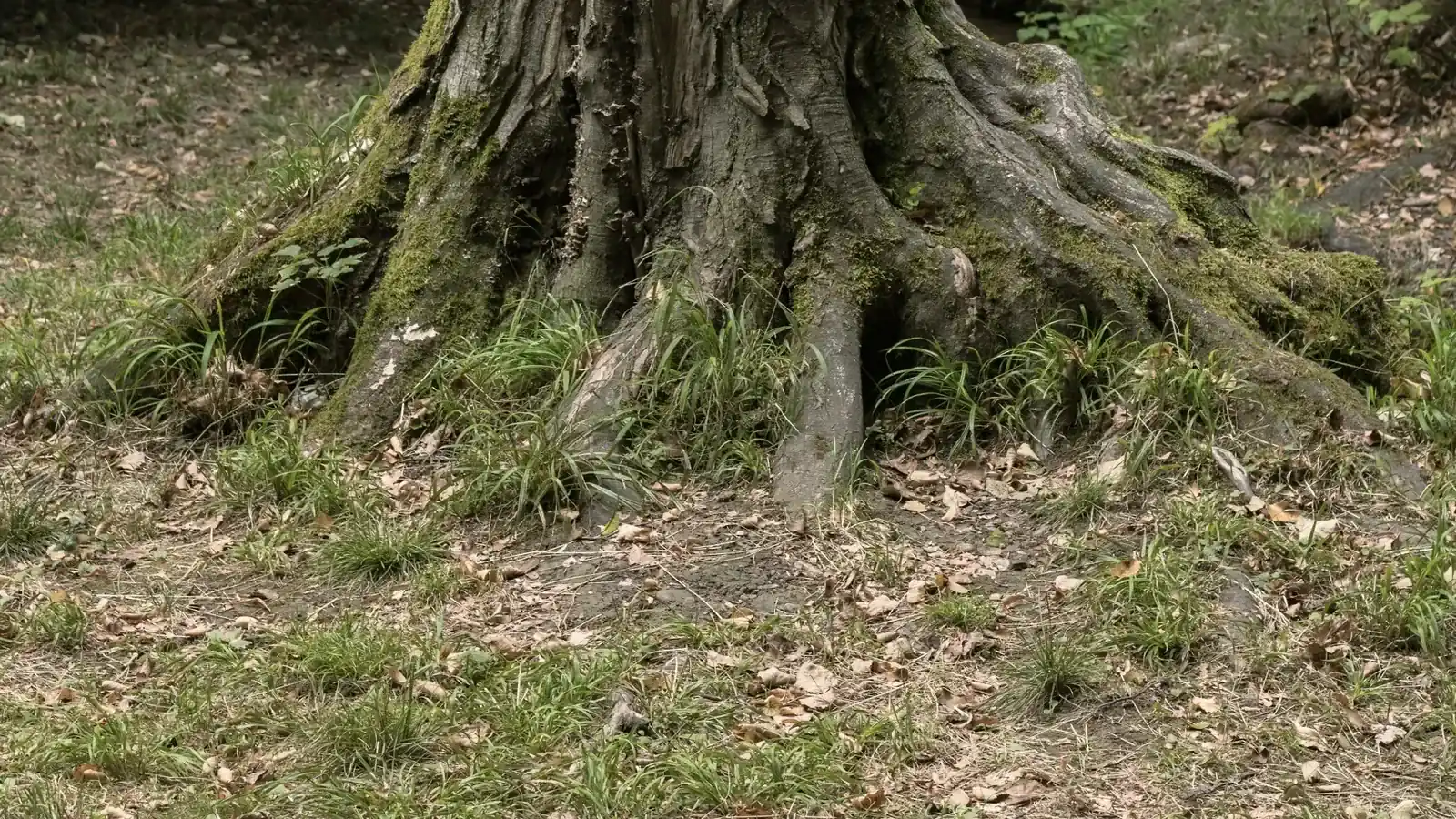
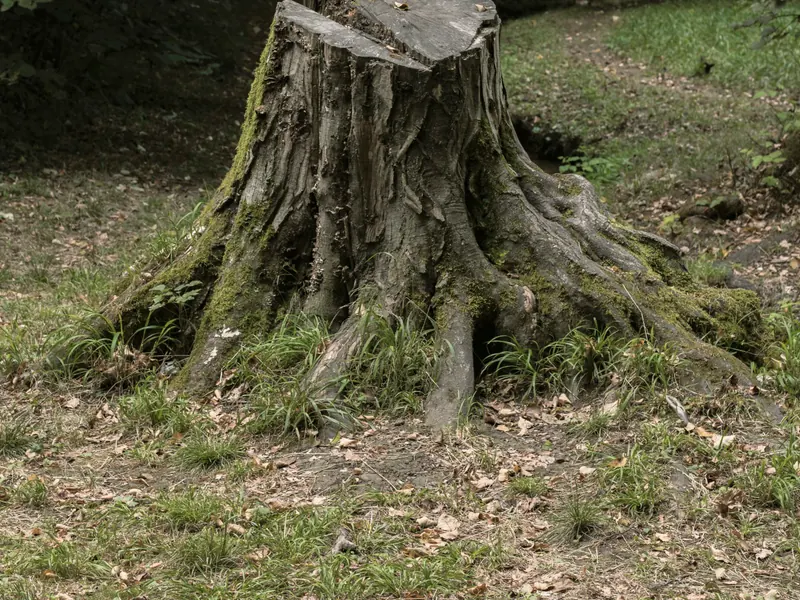
Lux Landscaping Construction grinds stumps left from our own removals and from work done years ago by someone else. We put in a locate request, clear the stone and debris from around the collar, grind the stump and its flare down below grade, chase surface roots where access allows, then backfill the opening with topsoil and close it with seed or sod.
Who this is for
- A stump left behind from an earlier removal, settled and ringed with sprouts
- Stumps in the way of new sod, a patio, a walk, a fence line or a driveway extension
- Surface roots lifting a lawn, catching a mower deck or crossing a walking route
- Yards being regraded or replanted where the old stump sets the level
Scope
What the work covers
- Locate request to JULIE at 811 before the grinder starts, with a waiting period before work
- Private lines you know about marked on site: irrigation, lighting, pet fence, grill gas, drip lines
- Stone, fencing, edging and debris cleared from around the stump collar to protect the teeth
- Grinding the stump and its root flare below grade, to a depth set by what is going on top
- Chasing visible surface roots back where access and utilities allow
- Grindings raked, with the excess spread or hauled, and the opening backfilled with topsoil
- Seed and straw or cut-in sod to close the patch, with watering instructions
Options
What you can choose
Grind for lawn
The standard job. The stump and flare come down far enough below grade that topsoil over the top supports turf and a mower passes without finding wood. Grindings are mostly removed from the hole, the void is backfilled with topsoil, and the patch is seeded or sodded. The ground will settle a little over the first season as the remaining fiber breaks down, so a top-up of soil the following spring is normal.
Deeper grind for planting or hardscape
If a patio, walk, footing or new tree is going where the stump is, the grind goes deeper and wider and the grindings come out rather than going back in. Wood fiber is the wrong base under pavers and the wrong backfill around new roots, so the void is filled with topsoil or with the base material the hardscape needs.
Surface root grinding
Roots running along the surface of a lawn can be ground down in place where they are not structurally important to a tree you are keeping, and where nothing is buried alongside them. On a tree that is staying, this is a limited operation: roots are how the tree stands up and feeds, so we take the high points off a nuisance root rather than clearing a root plate.
What happens to the grindings
Grindings are a mix of wood fiber and soil. They work as a path or bed mulch and they are useful for filling low spots, so plenty of people keep them. They are not topsoil and they are not a planting medium. If you do not want them, we haul the excess and bring in soil instead.
How we do it
The sequence on site
Locate first
A request goes to JULIE at 811 and the utilities mark their lines. Illinois requires that call before digging, and grinding counts. You tell us about the lines no utility knows about, because irrigation, landscape lighting, pet fence and grill gas lines are on you and the locate will not show them.
Clear and set up
Stone, mulch, edging, fence panels and whatever else sits against the stump come away first. Grinder teeth are no match for a buried landscape boulder, and northern Illinois soils hold plenty of glacial stone. We set plywood or mats on the route in and screen nearby windows, siding and vehicles from thrown chips.
Grind
The wheel takes the stump down in passes, working the flare and buttress roots as well as the center. Depth is set by use: turf needs enough for topsoil and root zone, planting and paving need more. Species, stump size, soil and stone all affect how long it takes, which is why the depth we quote is tied to what is going on top rather than a blanket number.
Backfill
Excess grindings are raked out and either spread where you want them or hauled. The void is filled with topsoil and tamped, slightly proud of grade so that the inevitable settling does not leave a dish in the lawn.
Close the patch and walk it
Seed and straw, or sod cut in to match the surrounding lawn. We leave watering instructions, tell you what settling to expect, and walk the finished area with you.
Local conditions
What northern Illinois changes about this job
JULIE at 811 comes before the grinder
Illinois requires a locate request before digging, and stump grinding goes below grade by design. We put the request in and wait out the response period rather than working around it. Private lines are the part that catches people out: irrigation heads and valve boxes, low-voltage lighting, pet containment wire and a gas run to a grill or fire pit are all invisible to the public locate, so walk the yard with us and point at what you know about.
Clay and glacial stone
Soils through the Fox Valley run heavy, and there is stone in them. Wet clay packs the wheel and stone dulls teeth, so a stump in saturated spring ground is slower work than the same stump in summer or after a freeze. Backfilled topsoil also settles more in clay, which is why we leave a patch slightly high rather than dead level.
Parkway stumps
If the stump sits between the sidewalk and the street, it is probably the town's, and many municipalities grind their own parkway stumps as part of the removal cycle. Rules differ by town. We check before quoting and tell you if the right move is a call to the forestry department instead.
FAQ
Stump Grinding questions
How deep do you grind?
Deep enough for what is going on top, which is the only answer that means anything. A stump under new lawn needs enough depth for topsoil and a turf root zone. A stump under a patio, a footing or a new tree needs considerably more, and the grindings come out rather than going back. We set the depth with you at the walkthrough and write it on the estimate.
Can I plant a new tree in the same hole?
Not well, and not in the grindings. Even a deep grind leaves wood fiber and large roots in the soil, and as that breaks down it ties up nitrogen and settles unevenly. The better plan is to offset the new tree a few feet, or to excavate the void and bring in soil. If the spot is fixed, tell us at the walkthrough so we grind for planting rather than for lawn.
Will the roots keep growing after grinding?
The stump is dead once the tree is cut, so the root system does not regrow. What can happen on some species is sprouting from roots near the surface, which grinding the flare reduces considerably. Any sprouts that do appear in the lawn get taken out by mowing within a season or two. We do not excavate whole root systems, and for a yard tree that is almost never necessary.
Do you haul the grindings away?
Your choice. Most of the material goes back in the hole on a standard lawn grind, and the excess can be spread as path or bed mulch, used to fill low spots, or loaded out. If you want the void filled with clean topsoil instead, we haul the grindings and bring soil in. Either way it is a line on the estimate.
How much mess does the grinder make getting to the stump?
Some tracking is realistic on soft ground, and we manage it with mats or plywood on the route in and by picking the firmest approach. Grinding itself throws chips, so we screen windows, siding, vehicles and nearby beds before starting. Gate width is the usual constraint, so tell us what the access looks like when you call.
Free estimate
Ask about stump grinding
Send the address and a short description. We will arrange a time to walk the site, then put the scope and the price in writing.