
Landscaping & Lawn Care
Mulch & Decorative Rock in Aurora, IL
Mulch and stone are the cheapest way to make a yard look cared for, and the easiest things to get wrong. Too thin and weeds come straight through. Too thick and you have smothered the roots you were trying to protect. Piled against a trunk it holds moisture against bark that is not built to stay wet. The material is simple; the depth, the edge and the prep are the job.
Lux Landscaping Construction refreshes existing beds, builds new ones, and installs decorative stone and boulders where a surface needs to stop needing annual attention. We cut a real edge, remove what needs removing rather than burying it, and set depth to the plants in the bed instead of to a round number.
Who this is for
- Beds that have faded, thinned and lost their shape over a season or two and need an annual refresh.
- Homeowners tired of re-mulching and wanting to switch some areas to river rock or decorative stone.
- New beds that need edging, a defined line and a finished surface after planting.
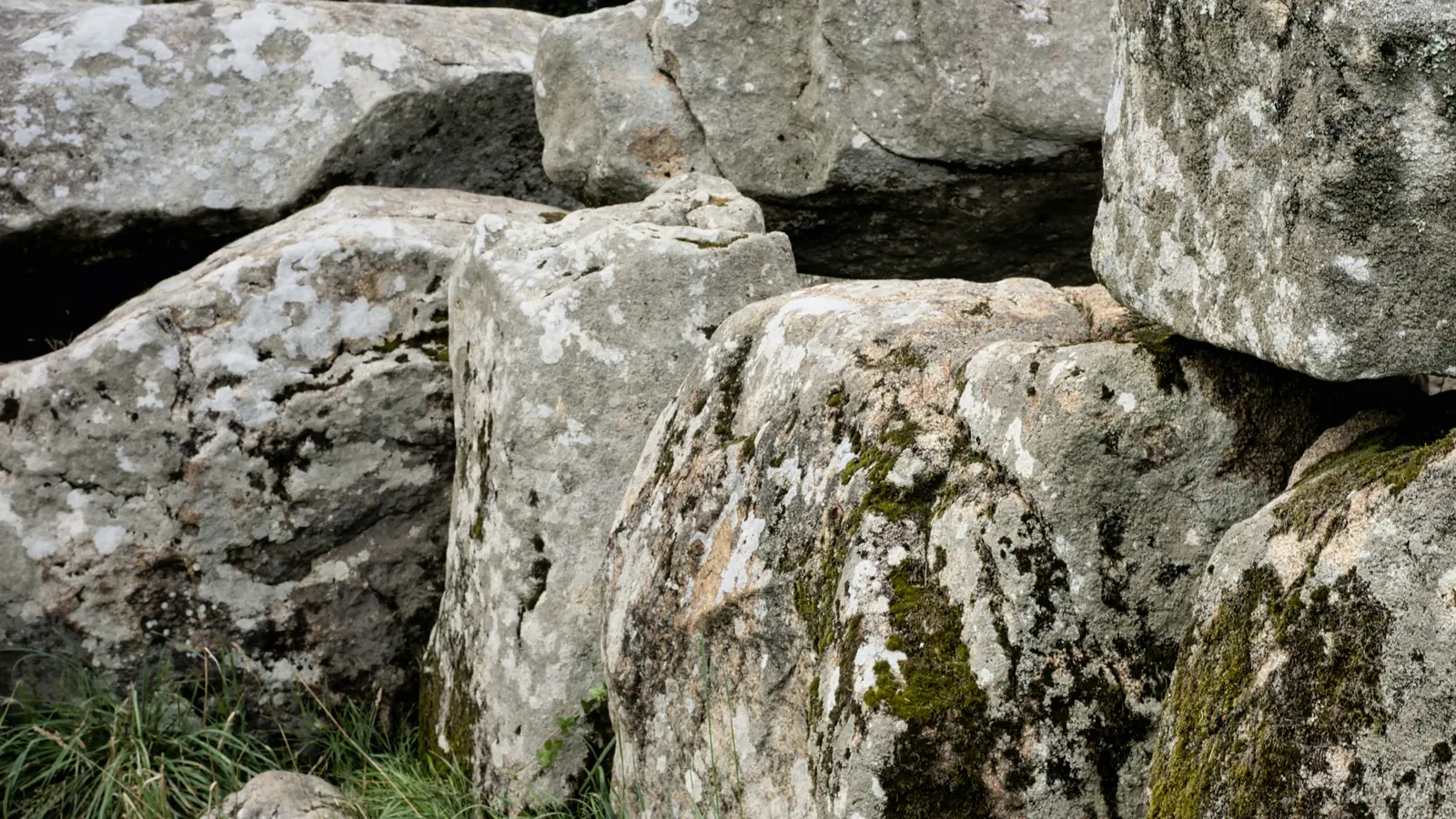
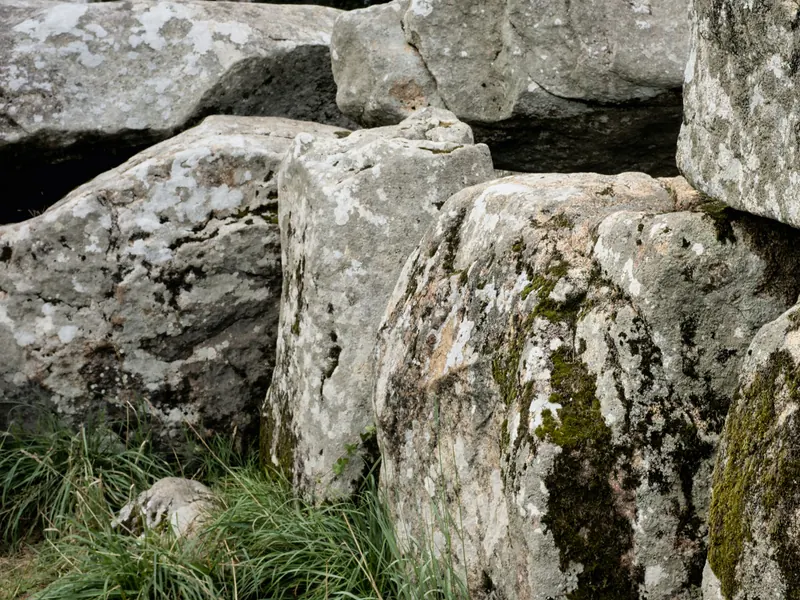
- Yards where boulders or stone outcropping would hold a slope or anchor a planting.
Scope
What the work covers
- Bed cleanup: weeding, cutting back, removing matted old mulch where it has built up too deep.
- Recutting or installing edges so the bed has a defined line against lawn and pavement.
- Shredded hardwood, dyed or premium bark mulch spread at an even depth and feathered away from trunks and crowns.
- River rock and decorative stone over prepared, graded base, with edging sized to contain it.
- Boulder selection and placement, set into the ground rather than sitting on it.
- Steel, aluminum, paver or natural stone edging installed below grade so it holds against frost.
- Lawn and hard surfaces blown and washed clean before we leave.
Options
What you can choose
Mulch types
Shredded hardwood knits together, stays put on a slope and breaks down into the soil, which is what you want around planting. Dyed mulch holds its color through the season and looks tidier longer. Premium bark is coarser and lasts longer but mats less. All of them are organic, so all of them need topping up.
River rock and decorative stone
Stone does not decompose, so you place it once. Smaller washed gravel reads as a surface; larger river rock reads as texture and stays put better in a downspout run. Rock stores heat, which is hard on some plants and useful against a north wall. Once it is down, changing your mind is work.
Boulders and accent stone
A boulder looks like it belongs when it is buried to a third of its height with its weathered face out and its grain running the same way as its neighbors. Set on the surface in a mulch bed it looks delivered. Placement takes equipment and a plan for access, which we work out at the walkthrough.
Edging
A spade-cut trench edge is clean and free to maintain but needs recutting annually. Steel and aluminum hold a crisp line for years and disappear visually. A paver or stone curb is a permanent border that a mower wheel can ride, and it is the only option that reliably keeps rock out of the lawn.
How we do it
The sequence on site
Assess and clean out
We check how much old mulch is already there. Beds that get topped up every year can end up with several inches of matted material that sheds water and suffocates roots, and the right move is removal, not another layer. Weeds come out with their roots.
Edge
Edges are cut or installed first, so the bed line is established before any material goes in. A trench edge is cut at an angle deep enough to stop turf runners. Installed edging is set with its top at or just below grade and staked, not simply pushed into the ground where frost will lift it.
Prepare the surface
For mulch, the soil is lightly loosened where it has crusted. For stone, the area is graded and firmed, and we discuss fabric honestly: it helps under rock, where there is no soil contact to lose, and it causes problems in planted beds, where it blocks organic matter from reaching the soil and weeds root into it from above anyway.
Spread and finish
Material is spread evenly and raked to an even depth across the bed, then pulled back from trunks, stems and crowns. Mulch goes nowhere near the siding or the weep holes. Stone is leveled and washed down so the color shows. Hard surfaces are cleared before we go.
Local conditions
What northern Illinois changes about this job
Clay beds and mulch depth
On slow-draining Fox Valley clay, deep mulch over wet soil keeps it wet. Enough to shade out weed seed and hold summer moisture is the target, and no more. Mulch mounded into a cone around a tree trunk, which is common in this area, traps moisture against the bark and invites rot and girdling roots.
Freeze-thaw and edges
Repeated freezing and thawing from November through April lifts anything that was only pressed into the soil. Edging that is staked properly and set low stays where it was put. It is also why rock beds want a contained border: without one, the stone migrates into the lawn and finds the mower.
Downspout runs and splash zones
Mulch washes out of a downspout discharge and off a steep bed in one hard storm. Those are the places to use larger stone, which stays put and spreads the force of the water. We look at where the roof actually drains when we plan the surfaces.
FAQ
Mulch & Decorative Rock questions
Should we use weed fabric?
Under decorative rock, usually yes. In a planted mulch bed, usually no. Fabric in a mulch bed stops the mulch from improving the soil, weeds germinate in the mulch above it and root straight through, and in a few years you have a layer that fights every change you want to make.
How deep should mulch go?
Deep enough to shade the soil and block weed seed, not deep enough to bury the crowns of your plants or keep clay soil permanently damp. Depth also depends on what is already there, which is why we check existing beds before pricing rather than quoting a blanket number.
Is rock lower maintenance than mulch?
It does not break down, so you are not refreshing it annually, and that is a real advantage. In exchange, leaves and debris settle into it and have to be blown or raked out, it reflects heat onto nearby plants, and removing it later is heavy work. It suits some areas and not others.
Can you match the mulch we have?
Usually. Bring us a handful or point at it during the walkthrough and we will source the closest equivalent. Dyed mulch fades, so a fresh application of the same product will look darker than the bed next to it until it weathers.
Free estimate
Ask about mulch & decorative rock
Send the address and a short description. We will arrange a time to walk the site, then put the scope and the price in writing.